
Emergency Preparedness Tip: Two-way radios communicate directly without mobile networks or Wi-Fi. Ensure handsets are charged, channels are matched, and spare power sources are packed before heading off-grid.
Shop by Feature
IP67 / IP68 Waterproof 3 Models Submersible protection for extreme weather 10W Tactical Power 8 Models Maximum transmission distance Type-C Direct Charge 10 Models Easy power bank / vehicle charging PMR446 Licence-Free 2 Models Instant family plug-and-play
Find the Right Survival Radio for Your Need
Bug-Out Bags & EDC Kits
Ultra-compact and durable radios with Type-C direct charge for lightweight emergency preparedness bags.
UV-5R MINI | UV-16 PRO V2 | BF-88ST ProSevere Weather & Floods
IP67 / IP68 dust and water-submersible radios engineered for heavy rain, mud, and extreme weather resilience in the UK.
UV-98 PRO | UV-9R PlusTactical & Long Range
High-power 10W radios with military-grade construction for deep forest, mountain, and rural signal penetration.
AR-152 Pro GPS | UV-25 | UV-32 GPSMulti-Band Information RX
Scan multiple frequency bands, including airband, GPS position sharing, and digital DMR during emergencies.
UV-32 GPS | DM-32 DMR | UV-5RH PROFamily Emergency (No Licence)
Simple, pre-programmed PMR446 radios that anyone in the family can operate instantly without settings or licence.
BF-88ST Pro | BF-888S PMR446Extended Off-Grid Stay
Radios equipped with high-capacity battery packs to keep your group connected for days off the grid.
AR-152 Pro GPS | UV-5R III 3800mAhTop Survival & Emergency Radios
Best Waterproof
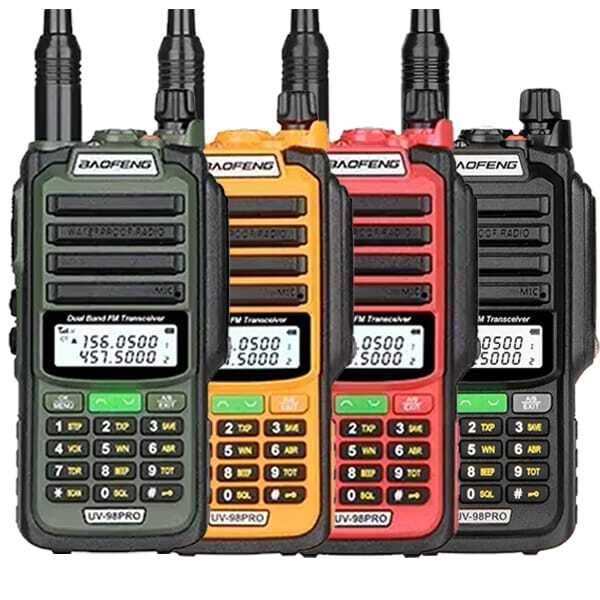
Baofeng UV-98 PRO
Best Tactical
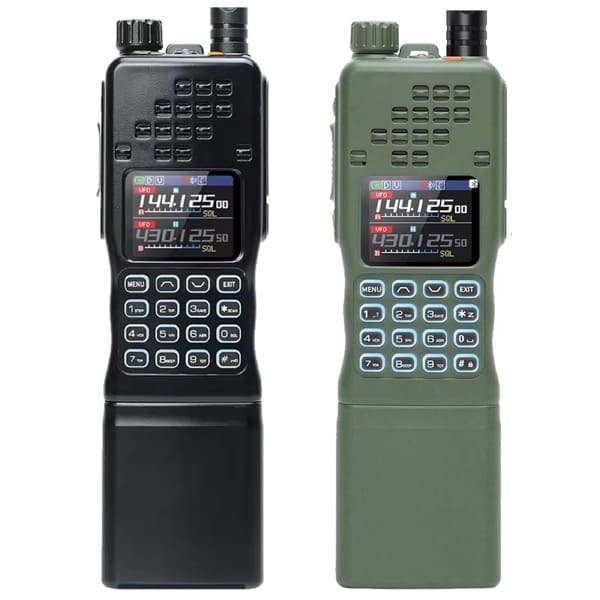
Baofeng AR-152 Pro GPS
Best Multi-Band
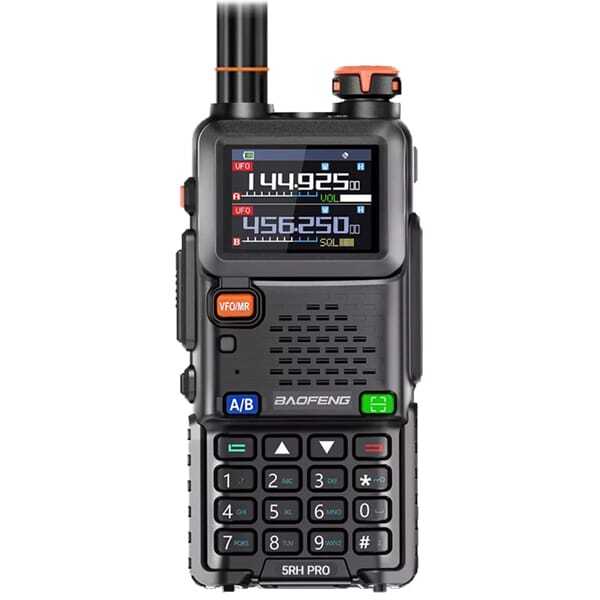
Baofeng UV-5RH PRO GPS
Best Family Emergency
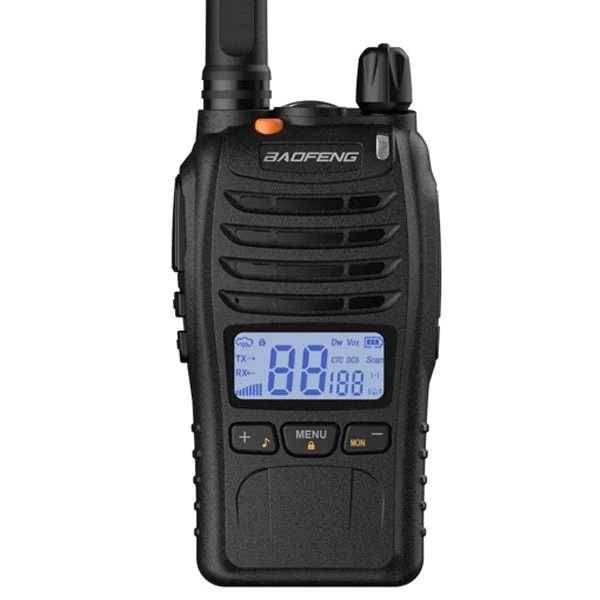
Baofeng BF-88ST Pro
All Emergency & Survival Radios
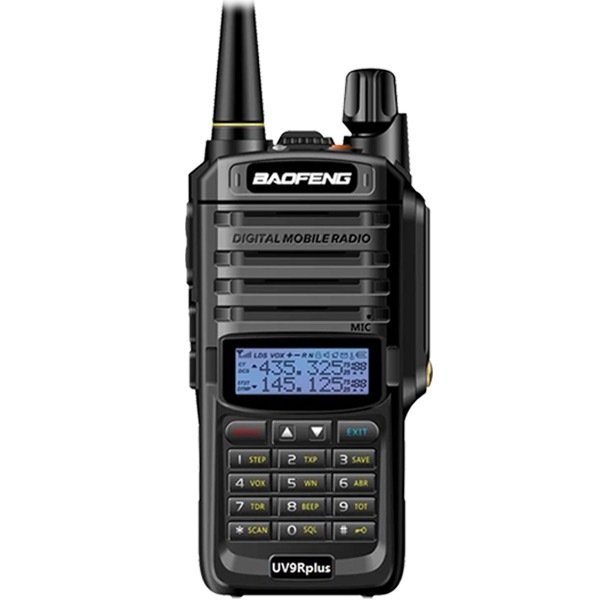
Baofeng UV-9R Plus
View → Baofeng UV-98 PRO Submersible
View → 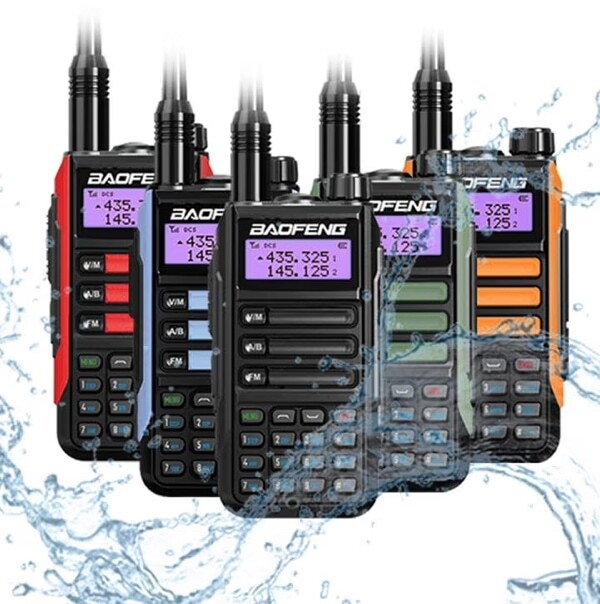
Baofeng UV-16 PRO V2
View → Baofeng AR-152 Pro GPS
View → 
Baofeng UV-25 Tactical 10W
View → 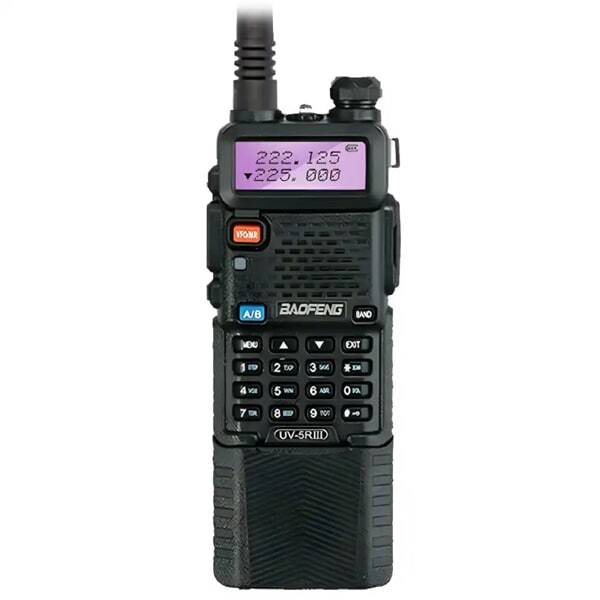
Baofeng UV-5R III 3800mAh
View → 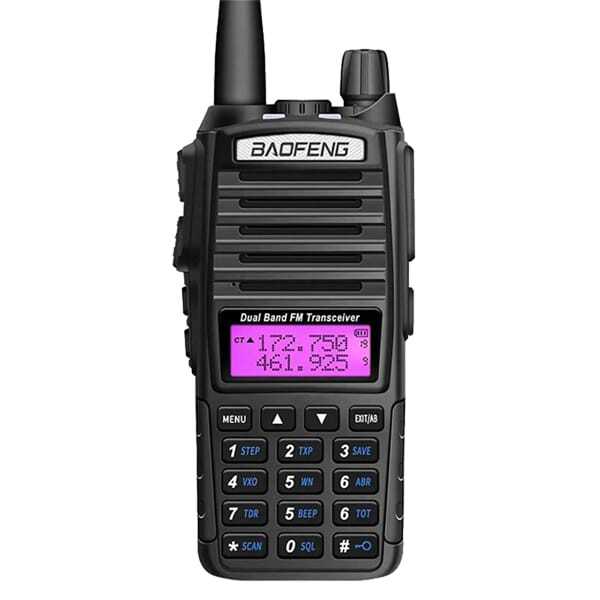
Baofeng UV-82 Dual-PTT 8W
View → Baofeng UV-5RH PRO GPS
View → 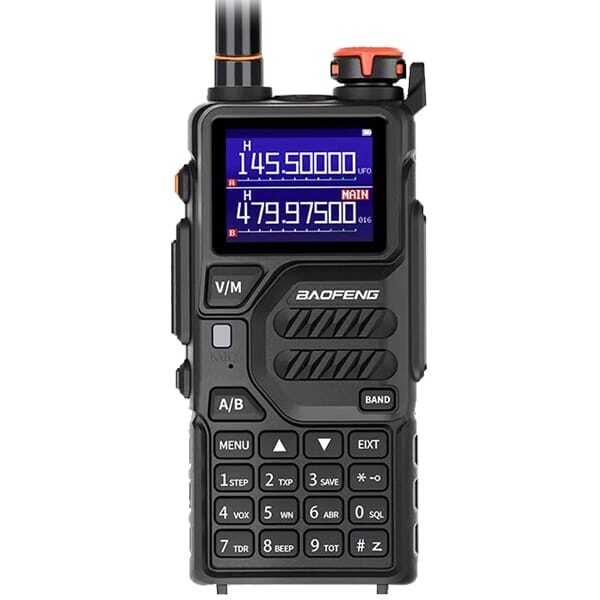
Baofeng UV-K5 PLUS Multi-Band
View → 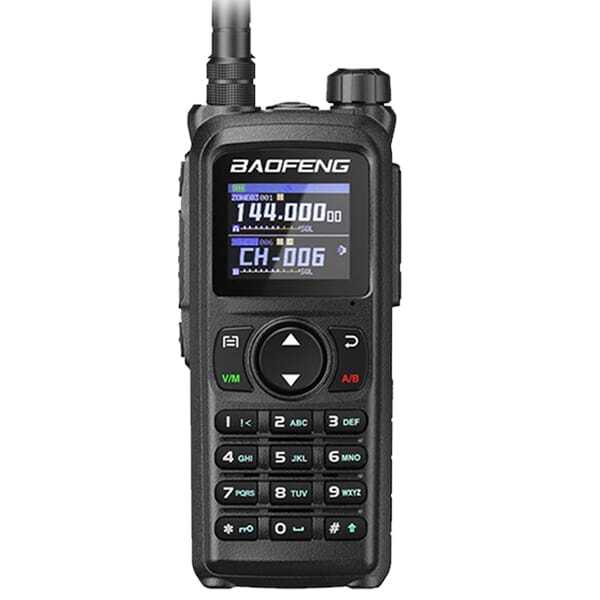
Baofeng UV-28 PRO GPS
View → Baofeng BF-88ST Pro PMR446
View → 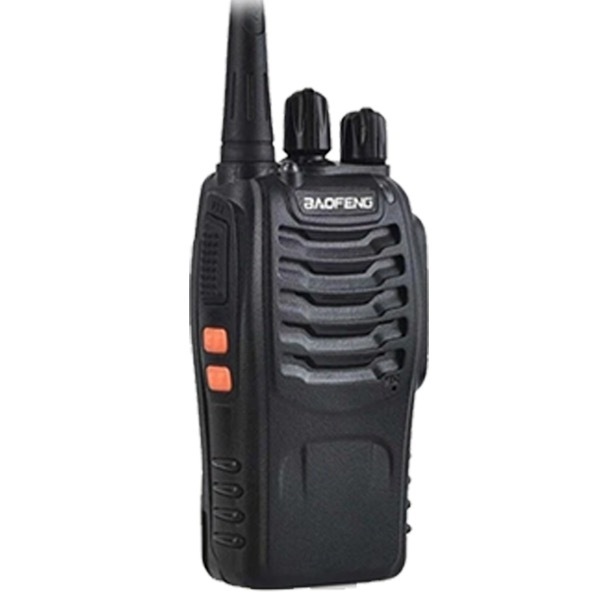
Baofeng BF-888S PMR446
View → 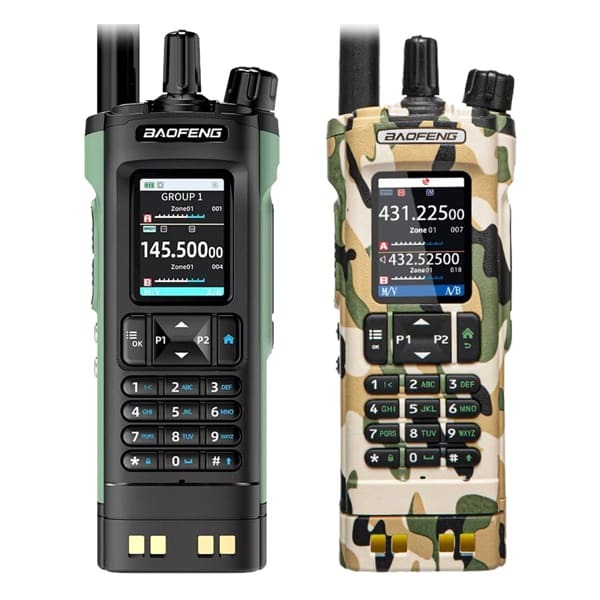
Baofeng UV-32 GPS Dual-Band
View → 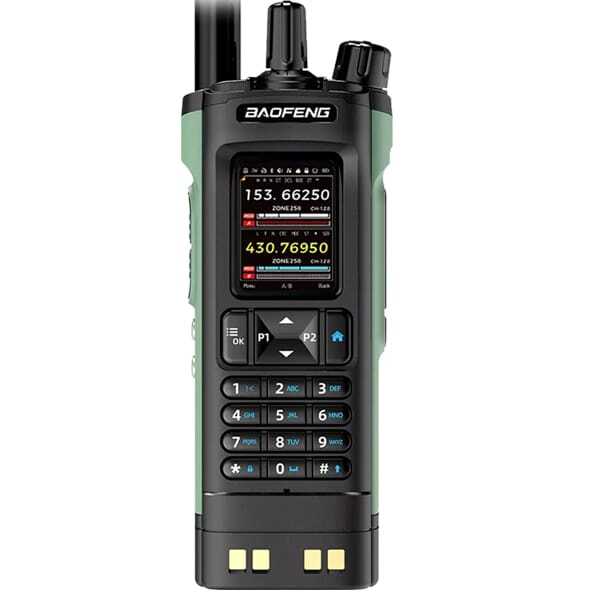
Baofeng DM-32 Digital DMR
View → 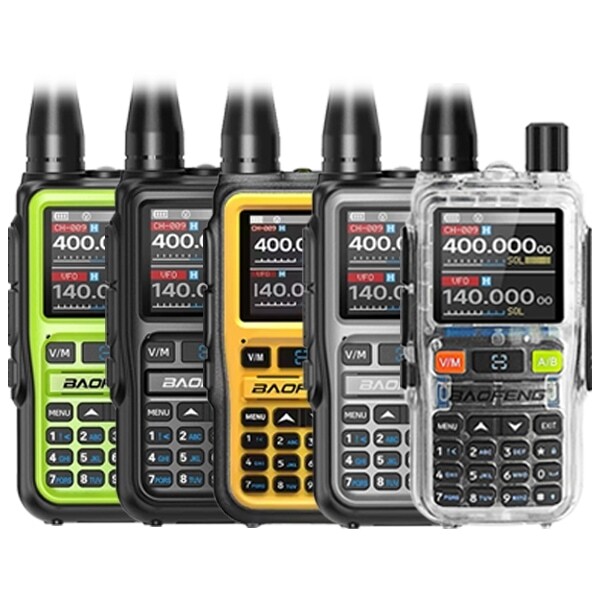
Baofeng UV-5R MINI Compact
View → No emergency radios match your selected filters. Please reset and try again.


