
14th Sep 2026
Two Way Radios for Security: A Practical Guide to Reliable Team Communication
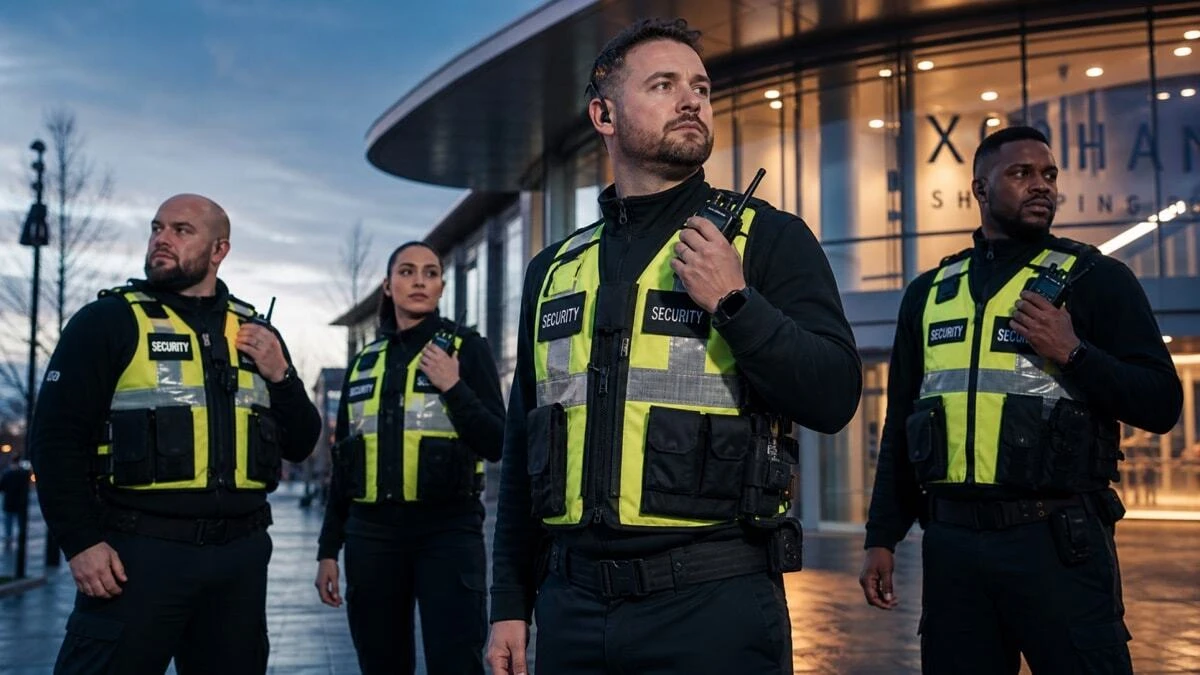
This guide was written and reviewed by the Baofeng UK technical team — UK-based radio communications specialists with over 10 years of experience supplying professional security teams, event companies and facility operators with reliable two-way radio systems. Licensing information reflects current Ofcom guidance. HSE lone worker references are consistent with current Health and Safety Executive guidance.
Security teams depend on fast, clear and dependable communication.
Whether staff are protecting a shopping centre, controlling access at an event, patrolling an industrial site or responding to an incident, delays can affect coordination and safety. Two way radios for security give teams a direct push to talk communication channel for daily operations and urgent situations, without the call setup time associated with mobile phones.
The right setup depends on site size, building layout, number of users, shift length and the level of control required. Some teams need simple licence-free handsets for a compact indoor environment. Others need more capable two way radio systems with digital features, location sharing, stronger site coverage and professional accessories.
Teams comparing formats and pack sizes can start with the Baofeng walkie talkies collection, which includes licence-free, waterproof, digital and long-range options.
Licence-free for smaller sites: BF-888S PMR446 — no individual Ofcom licence required, simple deployment, suitable for retail and local event security.
Rugged outdoor security: UV-9R Plus IP67 — waterproof and dustproof for outdoor patrols, industrial sites and events. Licensed radio — appropriate Ofcom authorisation required.
Digital with GPS and encryption: DM-32 DMR — GPS, APRS, digital messaging and digital encryption for more demanding security environments. Licensed radio.
⚡ Two way radios for security — key points
- 📞 Push-to-talk is faster than phone calls: One button reaches the whole team simultaneously — no dialling, no waiting
- ✅ PMR446 for smaller sites: Compliant licence-free equipment can be used without an individual Ofcom radio licence for short-range security communication
- 📋 Licensed radios for larger operations: Ofcom Business Radio licences cover Simple UK, Simple Site and Technically Assigned options — match the licence to the site
- 📲 Digital adds encryption, GPS and messaging: DMR digital systems can provide greater privacy and location awareness than open analogue channels
- 👷 Radios support lone worker safety: HSE guidance identifies radios as one method for maintaining contact with isolated and remote workers
- 🎧 Accessories are as important as the handset: Earpieces and shoulder microphones improve usability during active security work
- 📏 Test coverage before full deployment: Buildings, concrete and terrain affect range — walk tests identify weak areas before a fleet is issued
📋 Table of Contents
- Why two way radios are essential for security operations
- What should security teams look for in a radio system?
- Analogue or digital two way radio systems?
- GPS, location tracking and lone worker safety
- Licence-free or licensed radios for security?
- Matching radios to different security environments
- Recommended two way radios for security
- Building a complete security radio system
- Choosing two way radios for security with confidence
- Frequently asked questions
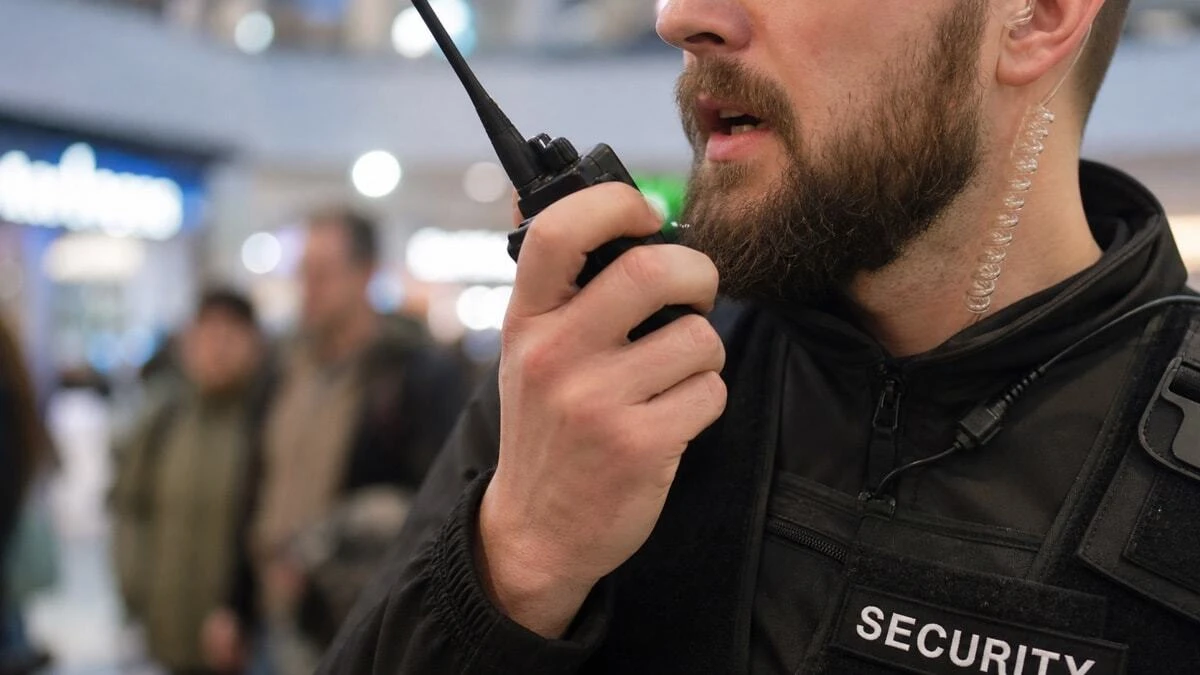 In a security operation, every second of delay can affect the outcome of an incident. A two-way radio allows a guard to contact the whole team simultaneously with one button press — no dialling, no waiting, no missed calls.
 Why two way radios are essential for security operations
Security work is time-sensitive. A guard at an entrance may need assistance immediately, a patrol officer may need to report suspicious activity, and control-room staff may need to coordinate several people during an evacuation, alarm activation or medical incident.
With a two way radio, a user can press the talk button and speak to a selected group in seconds. Group communication helps several staff receive the same instruction at the same time, which can improve coordination during both routine work and critical incidents. Radio communication also provides a direct team-to-team link that can be planned around the working environment. For security teams operating across large buildings, outdoor areas or places with inconsistent mobile network reception, this can create a more predictable communication process.
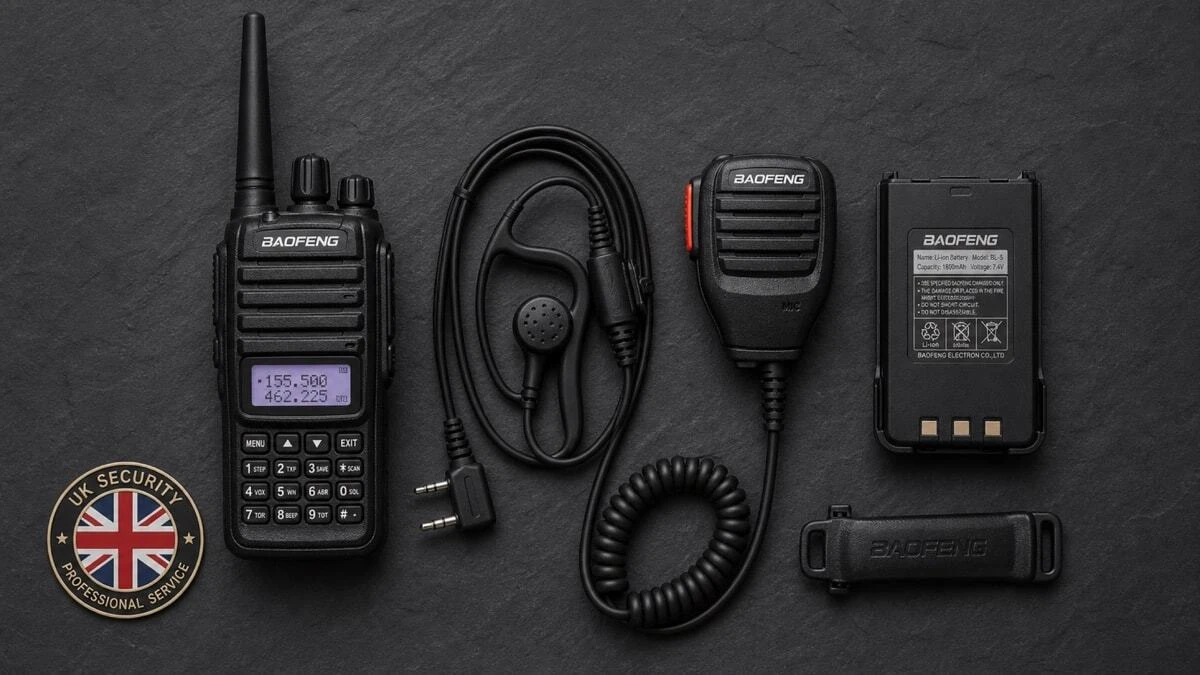 A complete security radio system goes beyond the handset — earpieces, shoulder microphones, belt clips and spare batteries all affect how usable and dependable the system becomes during a full shift.
 What should security teams look for in a radio system?
Reliable coverage across the site
Range claims should always be treated as environment-dependent. Walls, reinforced concrete, steel structures, underground areas, terrain, antenna position and radio power can all affect real-world coverage. A large open site behaves differently from a multi-storey shopping centre or a commercial property with basement service areas.
For many built environments, UHF two way radio equipment can be practical around buildings and urban sites, although coverage still needs to be tested in the actual location. Stairwells, loading bays, car parks, plant rooms and external boundaries deserve particular attention because they are often places where staff may need assistance.
⚠️ Large sites may need planned infrastructure: Depending on the licence and operational requirements, this can involve base stations or repeaters. Ofcom separates Business Radio licensing into several categories, including Simple UK, Simple Site, Technically Assigned and Area Defined licences, so system design should match both the site and the licence conditions.
Clear audio in busy environments
A security radio must remain understandable when staff are working near crowds, machinery, traffic, music or public-address systems. Clear audio helps users pass locations, descriptions and instructions accurately. Accessories matter as much as the handset — a shoulder microphone can make push to talk communication easier when the radio is attached to a belt, while an earpiece can provide more discreet listening in retail, hospitality, shopping centres and event environments.
Baofeng provides a range of accessories including speaker microphones, earpieces, chargers and belt clips that can be selected according to the radio model and working environment.
Long battery life for full shifts
Battery life is a practical requirement for security operations. A radio may be carried throughout a long shift, with periods of standby interrupted by frequent transmissions during busy periods or incidents. Actual battery performance varies with transmit power, usage patterns, temperature and battery condition.
A sensible deployment plan includes charging procedures, spare batteries where appropriate and a clear handover process between shifts. Larger teams may also benefit from consistent multi-pack purchasing so spare units and accessories can be managed more easily. The Baofeng two way radio multi-packs collection provides pack options for teams that need several handsets within the same deployment.
Durability for harsh conditions
Security radios are frequently clipped to belts, carried outdoors and handled throughout long shifts. Teams working at outdoor events, logistics yards, industrial sites or exposed facilities may want to prioritise rugged construction and an appropriate IP rating. The Baofeng waterproof walkie talkies collection includes IP-rated radios intended for more demanding environments.
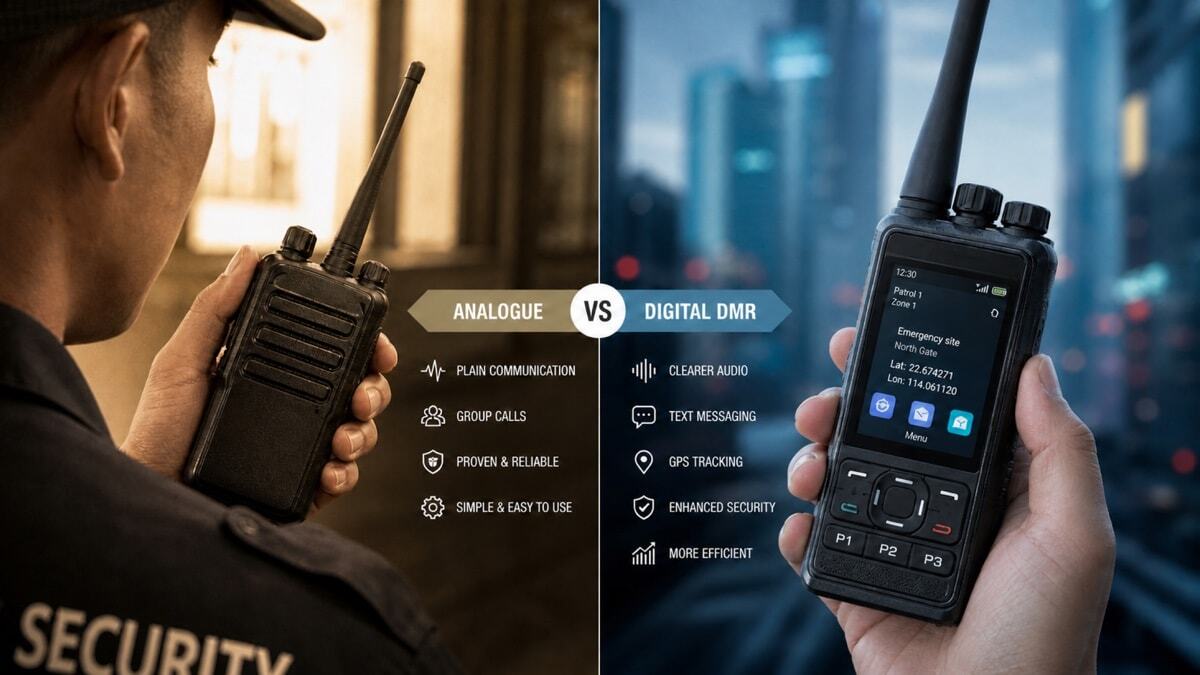 Analogue radios remain a practical and cost-effective choice for many security operations. Digital systems add talk groups, GPS, messaging and encryption capabilities that become valuable when the operation requires more structured communication or greater privacy.
 Analogue or digital two way radio systems?
Analogue radios remain a straightforward and cost-effective option for many security teams. They can suit sites where the primary requirement is simple voice communication and staff need an easy operating process.
Digital two way radio systems can add features that are valuable in more complex security environments. Depending on the model, these may include digital audio, text messaging, larger contact lists, GPS or APRS location functions and digital privacy features. The Baofeng DM-32 digital two way radio supports digital DMR and analogue operation. Its listed features include GPS, APRS location sharing, digital messaging and digital encryption, alongside a 2500mAh battery and USB-C charging. Teams assessing this type of equipment can also compare models in the Baofeng DMR digital radios collection.
🎯 Encryption note: A digital radio with an encryption function can provide greater privacy than an open analogue voice channel when configured correctly, although the exact level of protection depends on the technology, programming and operating procedures. Organisations with formal information-security or critical infrastructure requirements should confirm that the selected system meets their own policies before deployment.
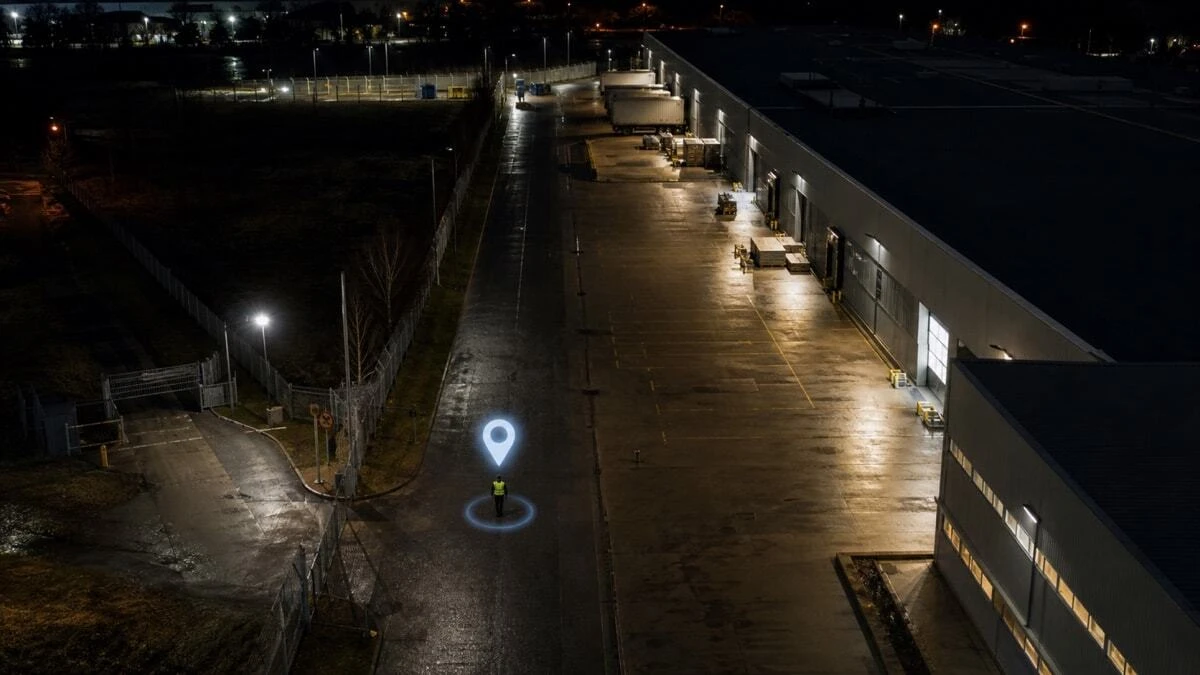 GPS location tracking can help supervisors understand where lone guards are during night patrols, perimeter checks and remote access work. The UK Health and Safety Executive advises employers to monitor lone workers and keep in touch with them — radios with GPS and alarm functions can support these requirements when backed by clear procedures.
 GPS, location tracking and lone worker safety
Location awareness can be valuable when guards patrol large grounds, events, industrial sites or dispersed facilities. GPS tracking or location sharing can help supervisors understand where a radio user is, depending on the capabilities and configuration of the system.
The Baofeng DM-32 includes GPS and APRS functions for location data. The Baofeng UV-5RH Pro GPS also includes a built-in GPS module and a listed battery life of approximately 15 hours under the specified 5-5-90 duty cycle. These features can be useful for teams that need more capable handhelds for outdoor or wide-area work.
🔵 HSE lone worker guidance: The UK Health and Safety Executive advises employers to monitor lone workers and keep in touch with them, with possible methods including phones, radios and alarm-raising devices. It also recommends regularly testing monitoring systems and emergency procedures. Location technology should support established procedures — security organisations still need clear check-in rules, escalation processes and emergency training alongside any radio or GPS system.
Licence-free or licensed radios for security?
UK security teams should decide early whether a licence-free PMR446 setup is sufficient or whether their operational requirements justify a licensed business radio system. Ofcom describes PMR446 as a licence-exempt option for compliant handheld radios operating between 446.0 and 446.2 MHz, with a maximum effective radiated power of 0.5W. PMR446 can therefore be suitable for smaller sites, retail teams, local events and other environments where simple short-range communication is the priority.
The Baofeng BF-888S PMR446 version is listed as a 0.5W licence-free radio with 16 pre-programmed PMR446 channels, a fixed antenna and a 1500mAh battery. It is designed for straightforward push to talk use and is available in individual units and multi-packs.
For operations that need greater frequency control, higher-power mobile equipment, base stations or more carefully planned coverage, an Ofcom Business Radio licence may be required. Simple UK Light authorises hand-portable or mobile equipment on specified frequencies across the UK and does not permit base stations. Simple Site Light can cover base and mobile stations within a small area, while Technically Assigned and Area Defined licences support more specialised requirements.
⚠️ Confirm before programming: Before purchase or programming, teams should confirm which frequencies, power levels and equipment types are permitted under the intended licence. This is particularly important when selecting programmable or high-power radios for professional security use. Read the full UK walkie talkie licence guide before deploying any licensed radio system.
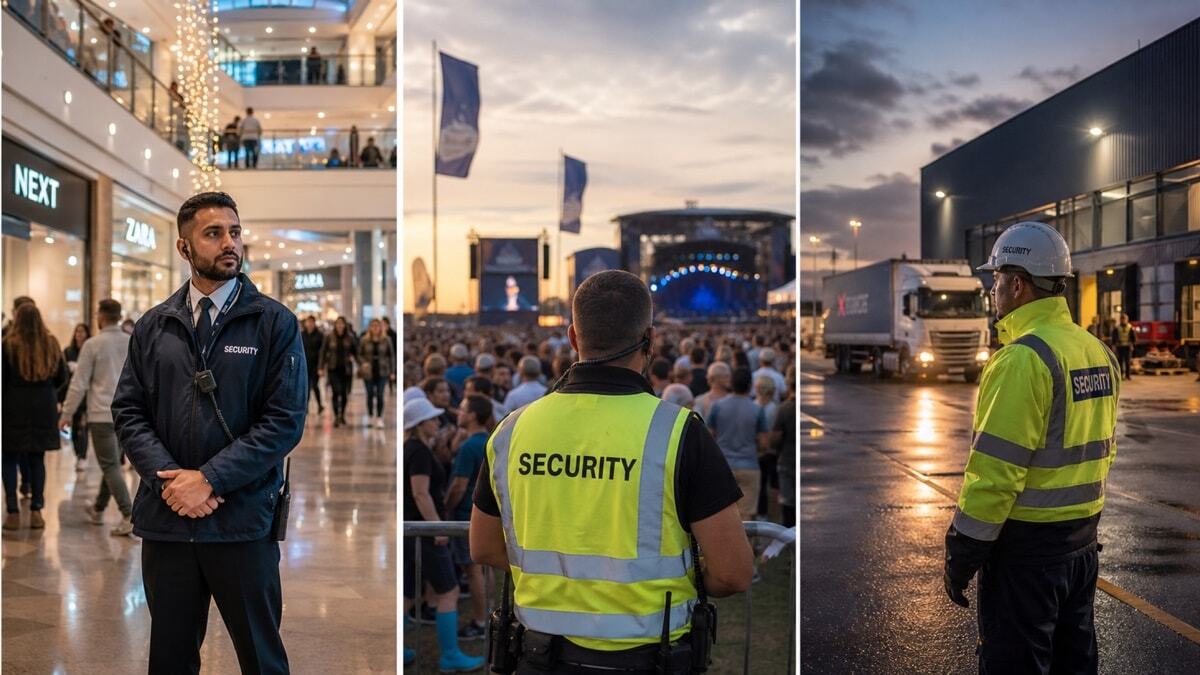 Different security environments create different radio requirements. A retail security team coordinating across a shopping centre has very different coverage, accessory and licensing needs from an outdoor event team or an industrial site patrol.
 Matching radios to different security environments
Shopping centres and retail security
Shopping centres and retail sites usually need dependable indoor coverage, clear audio and discreet accessories. A licence-free PMR446 system may suit a smaller site where testing shows adequate coverage. Larger multi-level properties may require a licensed system designed around the building, with walk tests covering stairwells, service corridors, loading bays and car parks. Simple operation can be particularly important in these environments because radios may be shared across different shifts.
Events and large sites
Event security can involve entrance teams, roaming patrols, supervisors, traffic marshals and medical coordination. Channel planning helps prevent routine traffic from overwhelming important calls. Long battery life, rugged accessories and tested wide-area coverage are also valuable. Teams that require more capable handhelds can compare suitable options in the Baofeng long range two way radios collection, subject to the relevant UK licence requirements.
Outdoor and industrial security
Outdoor and industrial security can expose handsets to rain, dust and repeated handling. An IP-rated radio, secure belt attachment and suitable audio accessories can improve day-to-day reliability. Security teams should match the environmental rating and accessories to the conditions found at their own site.
Critical and high-risk security environments
Security teams protecting sensitive facilities may need stronger controls around radio programming, talk groups, user access, location information and voice privacy. Digital features can support these requirements when they are backed by clear procedures. Teams should define who can use each channel or talk group, how lost radios are reported, how emergency calls are escalated and how radio configurations are controlled.
Recommended two way radios for security
The five models below cover the main security scenarios discussed in this guide — from simple PMR446 licence-free options for smaller teams to rugged waterproof, digital GPS and team fleet solutions for more demanding environments.
🛡️ Baofeng Two Way Radios for Security Teams
Choose by site size, environment and licence situation — not by headline wattage or advertised range alone.
🛡️ Core Security Radios — Licence-Free, Waterproof & Digital
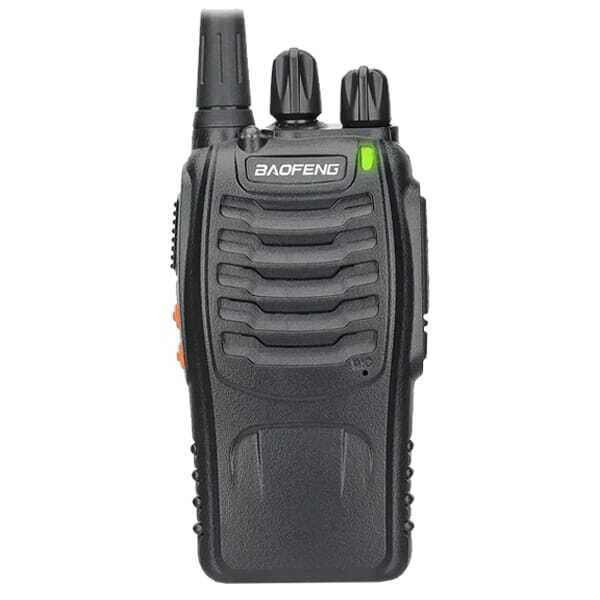
Baofeng BF-888S PMR446
PMR446 compliant · 16 channels · Fixed antenna · 1500mAh · No licence needed — straightforward push-to-talk for retail security, smaller sites and local event teams. Simple shift handover and no licensing administration.
View BF-888S PMR446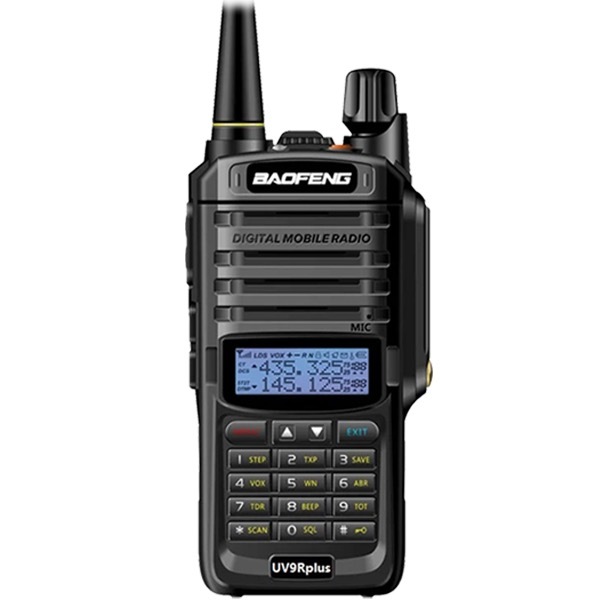
Baofeng UV-9R Plus IP67
IP67 waterproof · 8W listed · 2800mAh · Earpiece included — rugged weather protection for outdoor patrols, industrial security and events. Licensed radio — appropriate Ofcom authorisation required to transmit.
View UV-9R Plus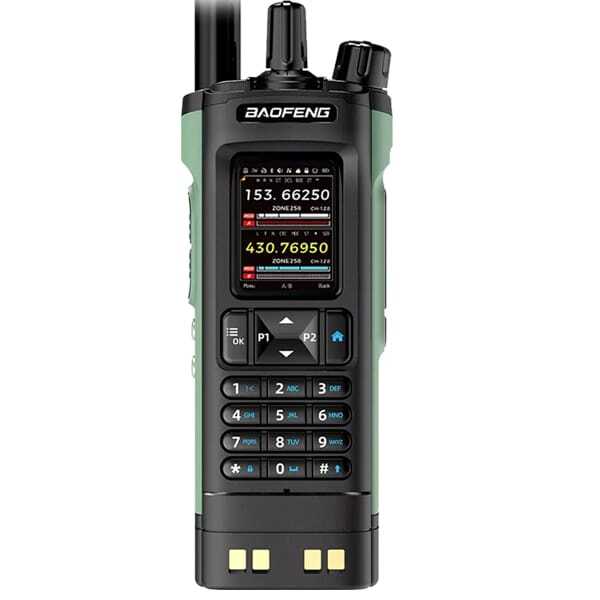
Baofeng DM-32 DMR
Digital DMR · GPS · APRS · Encryption · Messaging · 2500mAh · USB-C — for security operations requiring location data, talk groups and digital voice privacy. Licensed radio — appropriate Ofcom authorisation required.
View DM-32 DMR🛰️ GPS Long Range & Team Packs — For Wide-Area Patrols & Larger Security Fleets
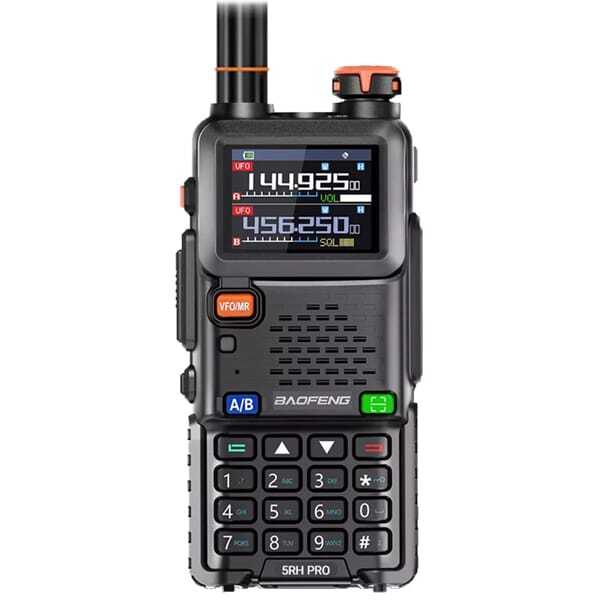
Baofeng UV-5RH Pro GPS
GPS · 10W listed · 640 channels · ~15hr battery · USB-C — for wide-area patrols, larger sites and security operations requiring GPS location alongside extended battery endurance. Licensed radio — appropriate Ofcom authorisation required.
View UV-5RH Pro GPS
Baofeng BF-888S PMR446 Eight-Pack
8 radios · Earpieces · Chargers · No licence needed — equip a complete security shift covering entrances, patrols, supervisors and control with standardised licence-free radios and consistent shift handover management.
View Eight-Pack⚠️ BF-888S PMR446 and Eight-Pack are licence-free when fully compliant. UV-9R Plus, DM-32 and UV-5RH Pro GPS require an appropriate Ofcom licence to transmit legally in the UK.
Building a complete security radio system
Choosing handsets is only one part of the project. Effective two way radio systems should be designed around people, coverage, procedures and maintenance.
Start by mapping the site and identifying critical communication points. Test likely radio options in basements, external boundaries, stairwells and noisy areas. Decide how channels or talk groups will be allocated and document simple call procedures so staff know how to report incidents clearly.
Standardise accessories by role — front-of-house guards may prefer discreet earpieces, while mobile patrols may benefit from shoulder microphones. Supervisors may need additional channels for coordination. Spare radios and batteries should be easy to locate, and equipment checks should form part of shift handovers.
🎯 Coverage gaps: If coverage tests reveal gaps, review the licence and system architecture before relying on extra transmit power alone. Where permitted and technically appropriate, a planned base station or repeater arrangement can provide better site coverage. Training completes the system — staff should know which channel to use, how to make a concise call, what to do if communication is lost and how to activate any emergency or alarm feature available on the radio.
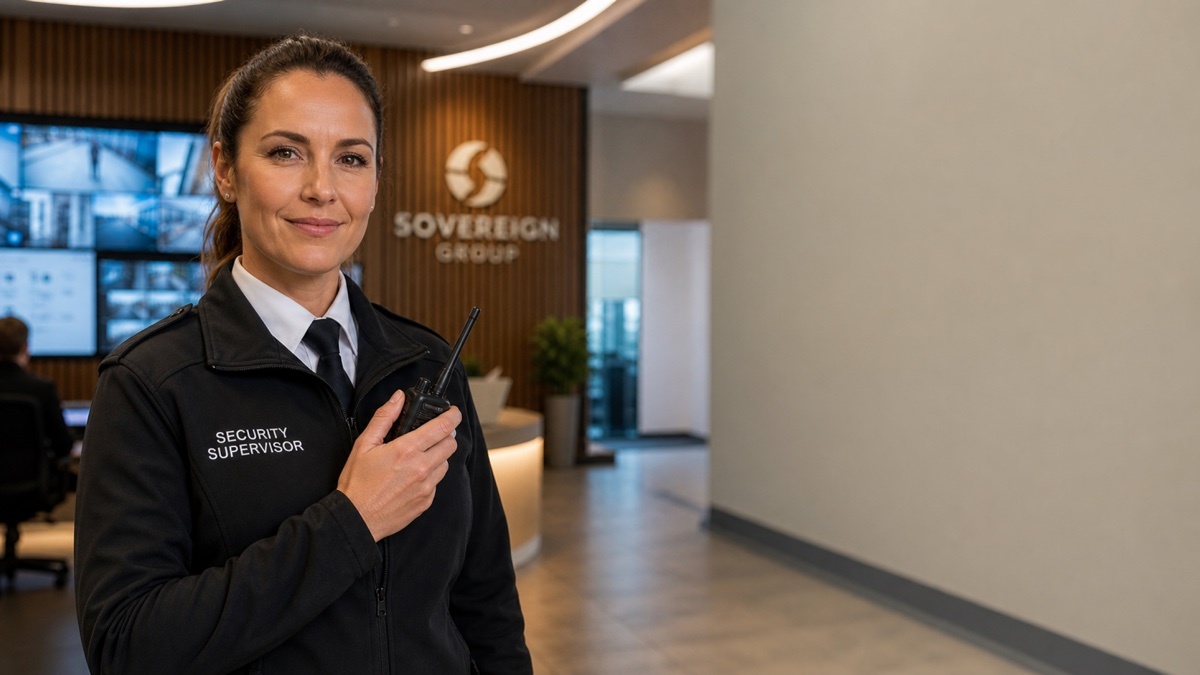 The right security radio system starts with the site, team size and communication requirements — not the highest wattage figure on a product page. Test coverage where staff actually work, plan accessories by role and include radio procedures in shift training and emergency exercises.
 Choosing two way radios for security with confidence
The best two way radios for security are the ones that fit the actual operating environment. Range, clear audio, battery life, durability, accessories, licensing and digital features all need to be considered together.
A small indoor team may need simple licence-free radios and earpieces. A larger site may benefit from licensed UHF radios and carefully tested coverage. Security operations that require location data, digital messaging or encrypted communication can assess DMR models with GPS and advanced features.
📋 Key takeaways for UK security buyers
- Define the team size, shift pattern, site layout and required coverage before choosing a handset — then test radios where staff genuinely work
- PMR446 licence-free radios suit smaller sites and retail security — no individual Ofcom licence required for compliant equipment
- Licensed Business Radio systems provide greater frequency control, higher-power options and infrastructure for larger or more complex security operations
- Digital radios add talk groups, GPS, messaging and encryption — assess whether these features correspond to a genuine operational need before choosing digital over analogue
- Earpieces and shoulder microphones improve usability during active security work — accessories are as important as the handset specification
- Battery planning, charging routines and spare equipment matter more than headline capacity figures — plan around the full shift duration
- Explore Baofeng's dedicated two way radios for security range to compare suitable radio types and pack sizes
Frequently asked questions
How many radios does a security team usually need?
Most security teams need one radio per active member, plus at least one spare unit for emergencies, charging issues or shift changes. Larger sites may also keep dedicated radios for supervisors or control-room staff. The best approach is to map the roles that genuinely need immediate radio access first, then add spare capacity for critical positions rather than issuing one radio per person as a default.
Should security teams use separate channels for different duties?
Yes, separate channels can make communication easier when teams handle different areas or responsibilities. Supervisors, entrance staff and patrol teams may each use different channels while keeping an agreed emergency channel available. A simple written channel plan and regular staff training help ensure everyone knows where to communicate and what to do during an incident.
How often should security radios be tested?
Security radios should be checked before each shift to confirm battery level, audio quality and channel settings. Teams should also carry out regular coverage tests in areas where reception may be weaker, such as basements, stairwells or remote parts of the site. Regular testing helps confirm that radios, batteries and procedures are ready when an incident occurs.
Do security teams need an Ofcom licence to use two way radios?
It depends on the radio. Compliant PMR446 handheld radios can be operated without an individual Ofcom licence when the equipment meets all PMR446 technical requirements — including a fixed integral antenna, operation between 446.0 and 446.2 MHz and a maximum of 0.5W ERP. Higher-power programmable radios used for professional security operations generally require an appropriate Ofcom Business Radio licence before transmitting legally in the UK. Always confirm the licence requirements for the specific equipment before deployment.
Are digital radios worth the extra cost for security teams?
Digital radios add value when the operation genuinely needs structured talk groups, digital voice privacy, GPS location sharing or text messaging. For a smaller team with straightforward push-to-talk requirements, analogue radios often remain a practical and cost-effective solution. The decision should be driven by operational requirements rather than a general assumption that digital is always better.
Can two way radios support lone worker safety for security staff?
Yes. The Health and Safety Executive identifies radios as one method employers can use for maintaining regular contact with lone and isolated workers. For security guards on perimeter patrols, out-of-hours checks or remote access points, a radio can provide an essential communication route. However, a radio alone does not constitute a complete lone worker safety system — security employers still need appropriate risk assessment, agreed check-in procedures, monitoring arrangements and emergency response plans.
Find the Right Radios for Your Security Operation
From PMR446 licence-free handsets for retail security to IP67 waterproof radios for outdoor patrols and digital DMR systems with GPS and encryption for complex operations — Baofeng UK has the right two-way radio for every security environment.