
22nd Feb 2026
The Complete Guide to Walkie Talkie Batteries & Chargers: Life & Performance
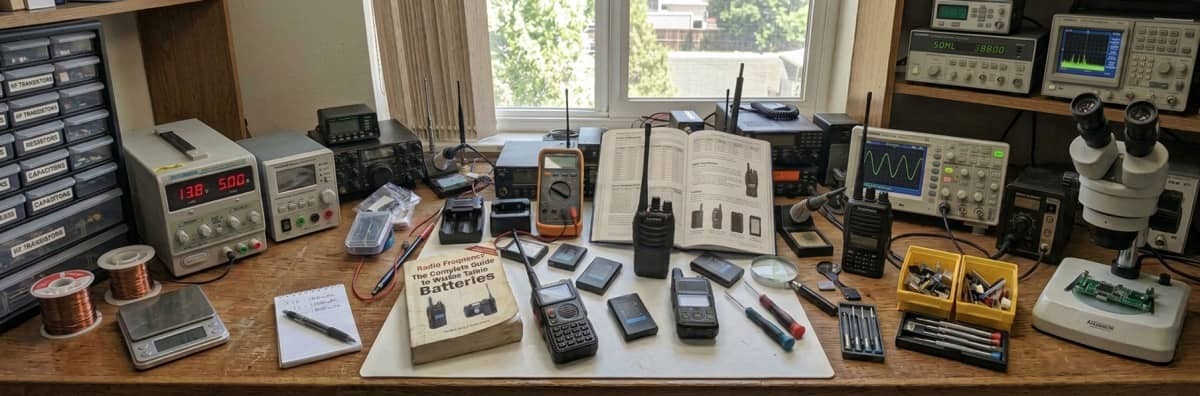
When it comes to reliable radio communication, one component makes all the difference — walkie talkie batteries. Whether you are using a Baofeng walkie talkie for work, security, events or outdoor adventures, battery life directly affects performance, range and reliability.
In this guide, we break down battery types, how to choose the right battery pack for your radio model, and how to maximise battery life to save money and avoid unexpected downtime.
⚡ Quick Summary: Walkie Talkie Batteries
📋 Table of Contents
- Why Walkie Talkie Batteries Matter
- Common Battery Types for Walkie Talkies
- How to Choose the Right Battery Pack
- Battery Capacity Comparison
- Understanding Battery Life and Capacity
- How to Extend Battery Life
- Top Baofeng Batteries and Chargers
- Signs You Need to Replace Your Battery
- Storing and Charging Safely
- Related Guides and Categories
- Frequently Asked Questions
Why Walkie Talkie Batteries Matter
Your walkie talkie depends entirely on consistent power. Without a fully charged battery pack, even the best two-way radio cannot operate at full performance.
Battery life affects:
- Communication range: low battery reduces effective transmission distance
- Audio clarity: weak power can cause distorted or unclear audio
- Transmission stability: inconsistent power leads to dropped transmissions
- Overall reliability: for team environments, poor batteries can compromise safety and efficiency
Common Battery Types for Walkie Talkies
Most modern walkie talkies use rechargeable lithium-ion battery packs. Older devices may still use NiMH batteries.
Lithium-Ion (Li-ion) — Recommended
- Lightweight and compact
- Longer life cycle (more charge cycles before degradation)
- Higher capacity for the same size
- Faster charge time
- No memory effect — charge at any level without reducing capacity
NiMH (Nickel-Metal Hydride)
- Lower upfront cost
- Heavier than Li-ion
- Shorter overall life cycle
- Can develop memory effect if not fully discharged regularly
When purchasing a replacement battery, always check compatibility with your exact radio model. Not all batteries fit every model, even within the same brand.
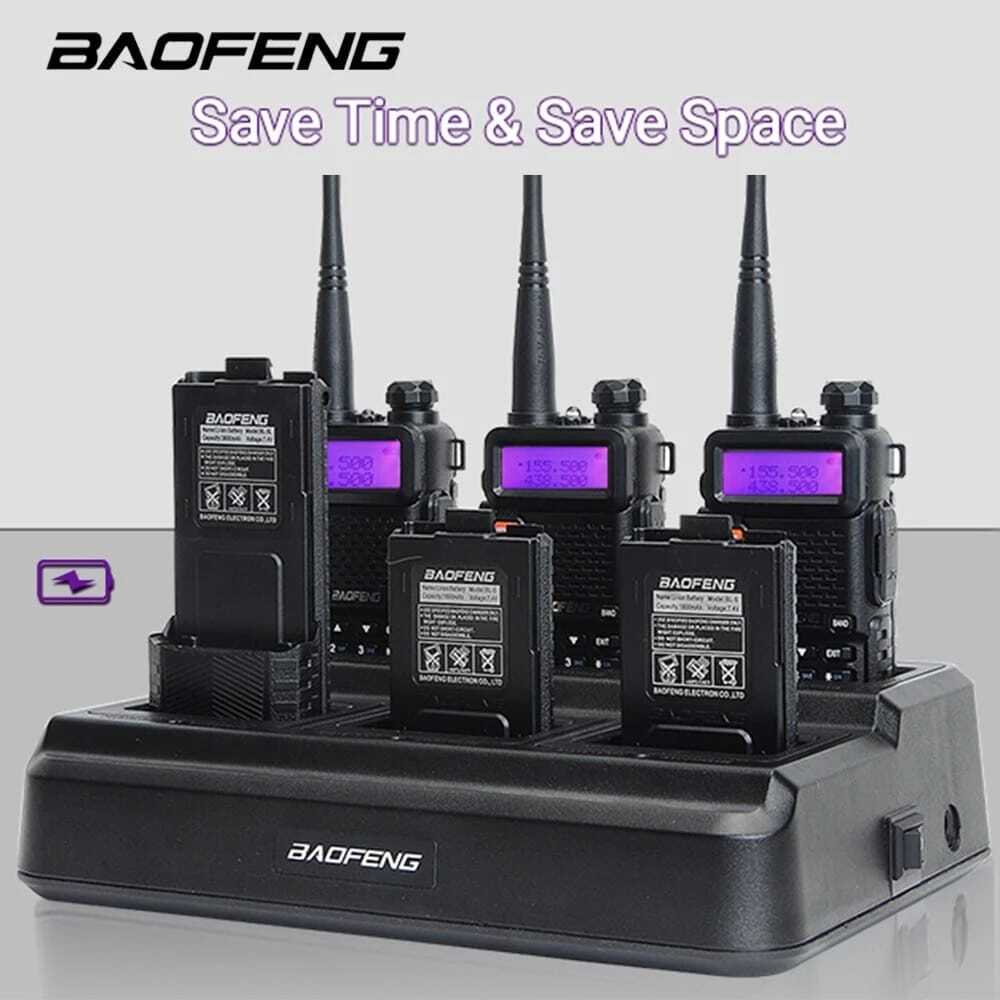
Proper charging habits extend the lifespan of your battery pack significantly.
How to Choose the Right Battery Pack
Before purchasing, check the following:
- Radio model compatibility: match the battery to your exact model number
- Voltage and capacity (mAh): higher mAh = longer battery life
- Contact points alignment: ensure the battery fits and connects properly
- Brand reliability: choose genuine or reputable replacement batteries
- Charger compatibility: make sure your charger works with the battery you choose
If you are unsure which battery pack you need, check your radio model number carefully or contact customer support for guidance.
Battery Capacity Comparison
| Capacity (mAh) | Estimated Battery Life (Normal Use) | Best For |
|---|---|---|
| 1800mAh | 8–12 hours | Daily shifts, general everyday use |
| 2800mAh | 12–18 hours | Security patrols, extended shifts |
| 3800mAh (Extended) | 24+ hours | Hiking, camping, emergencies, multi-day trips |
Note: actual battery life depends on power output setting, transmission frequency, standby vs active use and environmental conditions.
Understanding Battery Life and Capacity
Battery life depends on several factors:
- Power output setting: transmitting at full power drains the battery faster
- Frequency of transmission: more talk time = faster battery drain
- Standby vs active use: standby mode uses far less power than active transmitting
- Environmental conditions: cold weather reduces battery efficiency, especially outdoors
A higher capacity battery pack (for example 3800mAh instead of 1800mAh) will hold charge longer but may add slightly more weight. In most cases, a standard battery provides enough power for a full working day. For long events or extended outdoor use, carrying a spare battery is strongly recommended.
How to Extend Battery Life
To maximise the lifespan of your walkie talkie batteries:
- Avoid overcharging: remove from charger once fully charged
- Do not fully drain regularly: try to recharge before the battery reaches zero
- Store properly: keep batteries in a cool, dry place away from extreme heat
- Clean contact points: ensure a proper connection between battery and radio
- Use the correct charger: always use a charger designed for your radio model
Battery performance will gradually decrease over time after many charge cycles. When you notice significantly reduced battery life, it is time to replace your battery pack.
Top Baofeng Batteries and Chargers
Keep your team powered up with these essential charging accessories:
🔵 Six-Way Charger (BF-888S)

Multi-Unit Charging
Charge up to 6 radios or batteries simultaneously. Perfect for security teams and event staff using BF-888S radios.
Compatible: BF-888S, H777, T99 Plus
🟢 12V Car Battery Eliminator

Continuous Power on the Move
Run your radio directly from your car's cigarette lighter socket. No battery needed — ideal for road trips, vehicle patrols and long drives.
Compatible: UV-5R Series
🟠 Six-Way Charger (UV-5R)

Team Power Station
The ultimate charging solution for UV-5R fleets. Uses one plug instead of six — saves space and keeps your team organised.
Compatible: UV-5R Series
🟣 USB Desktop Charger (UV-5R)
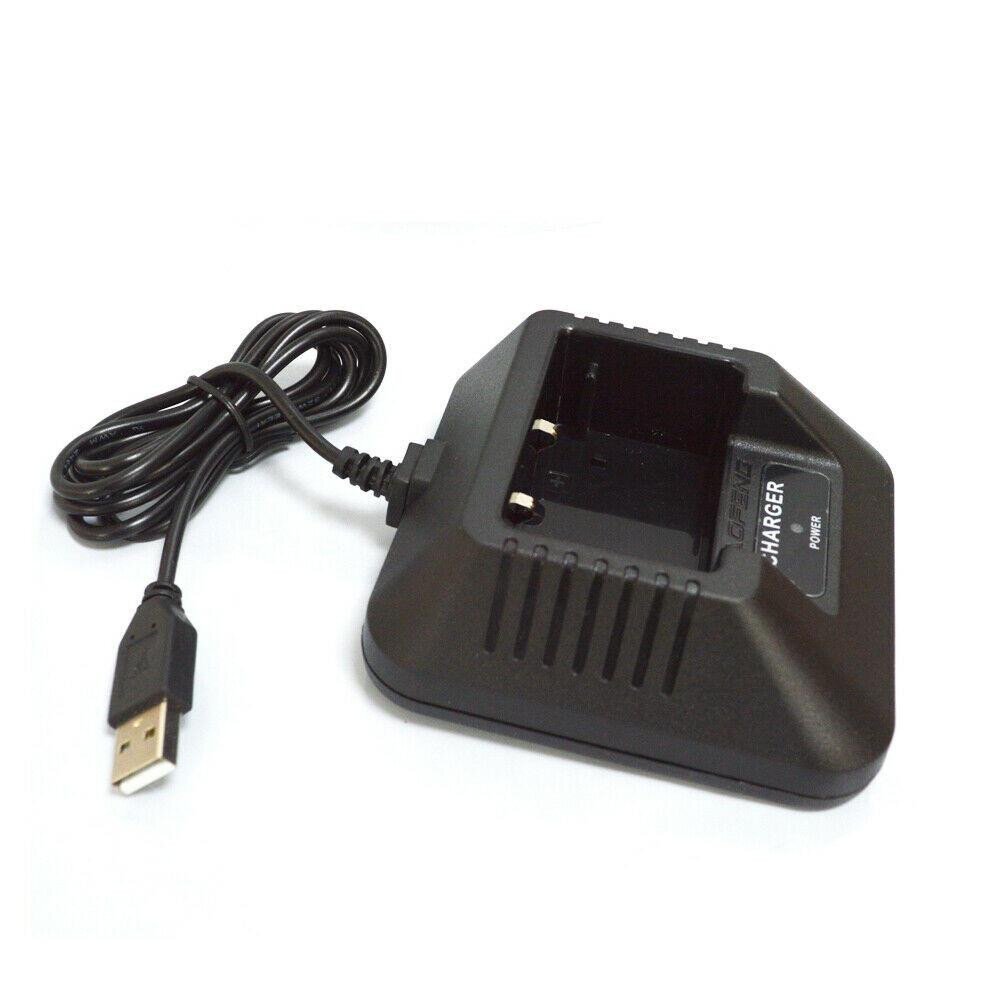
USB Convenience
Charge your UV-5R anywhere with USB power. Connects easily to laptops, power banks or car USB adapters — perfect for portable charging on the go.
Input: USB 5V | Compatible: UV-5R, UV-5R III, BF-F8+ Series
Signs You Need to Replace Your Radio Battery
Watch for these warning signs that your battery needs replacing:
- Significantly reduced battery life: the radio dies much sooner than it used to
- Unexpected shutdowns: the device turns off during use even with charge remaining
- Will not hold charge: the battery drains very quickly after a full charge
- Physical swelling or damage: any bulging, leaking or visible damage
- Charger indicator issues: the charging light behaves abnormally or does not turn green
If any of these occur, replace the battery immediately for safety. Browse our full range of replacement batteries to find the right one for your model.
Storing and Charging Safely
Proper storage conditions have a significant impact on battery lifespan:
- Avoid extreme heat: do not leave batteries in direct sunlight or hot vehicles
- Store in dry places: moisture can damage battery contacts and electronics
- Partial charge for long-term storage: if storing for weeks or months, keep the battery at around 50% charge
- Use compatible chargers only: always use a charger designed for your specific radio model
Using incorrect chargers may damage the battery pack or reduce its lifespan. When in doubt, stick with genuine Baofeng accessories.
Helpful Related Guides and Categories
- Chargers
- Radio Accessories
- All Walkie Talkies
- Two-Way Radios for Security
- Two-Way Radios for Outdoor Use
- How to Choose Long Range Walkie Talkies | UK Buying Guide
- How to Get a UK Ham Radio Licence
Shop Chargers
Keep your radios powered up with the right accessories:
Need other accessories? Browse all radio accessories →
Frequently Asked Questions
How long do walkie talkie batteries last?
A standard 1800mAh battery typically lasts 8–12 hours on a single charge with normal use. High-capacity 3800mAh batteries can last 24 hours or more. Actual battery life depends on power output, transmission frequency and environmental conditions.
Can I leave my radio on the charger overnight?
It is safe to leave it overnight occasionally, but for long-term battery health, remove the radio once the charging light turns green. Prolonged trickle charging can put stress on the cells over time.
Are Baofeng batteries universal?
No. Baofeng batteries are model-specific. For example, a UV-5R battery will NOT fit a UV-82 or UV-9R. Always check your exact radio model number before purchasing a replacement battery.
What is the difference between Li-ion and NiMH batteries?
Li-ion batteries are lighter, last longer per charge, charge faster and have no memory effect. NiMH batteries are cheaper upfront but heavier, have a shorter lifespan and can lose capacity if not fully discharged regularly. Li-ion is the recommended choice for modern walkie talkies.
How can I make my walkie talkie battery last longer?
Avoid overcharging, do not fully drain the battery regularly, store in a cool dry place, clean the contact points and always use the correct charger for your model.
When should I replace my walkie talkie battery?
Replace your battery if you notice significantly reduced operating time, unexpected shutdowns, the battery will not hold charge, or there is any physical swelling or damage.
Final Thoughts
Walkie talkie batteries are not just accessories — they are essential components that determine how long and how well your two-way radio operates. Choosing the right battery type, maintaining proper charging habits and replacing worn batteries when needed ensures long-term reliability and better communication performance.
If you are looking to purchase replacement batteries or chargers, always check compatibility with your exact radio model, compare capacity options and choose reputable products. Reliable power means reliable communication — and that is the foundation of every effective walkie talkie system.
Still deciding which radio to buy? Read our How to Choose Long Range Walkie Talkies | UK Buying Guide for more help.