
18th Jul 2026
Best Vehicle-Mounted vs Handheld Radios for UK Green Laning
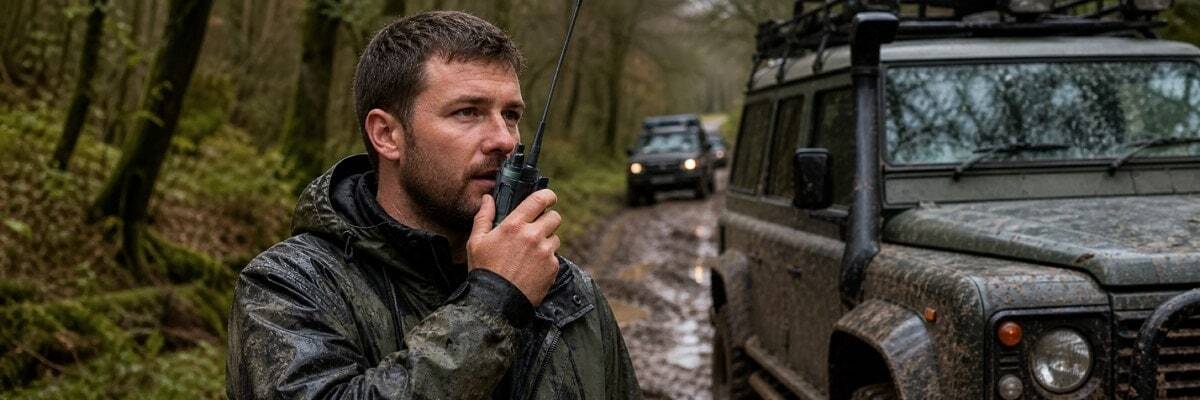
This guide was written and reviewed by the Baofeng UK technical team — UK-based radio communications specialists with over 10 years of hands-on experience advising off-road enthusiasts, green-laning clubs and convoy organisers. All licensing information references current Ofcom guidance.
A green-laning convoy can become separated surprisingly quickly.
One vehicle stops to close a gate, another struggles for grip on a climb, and the lead driver disappears around a wooded bend. Mobile phones offer little reassurance when reception drops or muddy hands make unlocking a screen impractical.
A two-way radio gives drivers a faster way to warn each other about obstacles, coordinate gate duties and confirm that everyone has cleared a difficult section. The more complicated decision is whether you need a vehicle-mounted radio or a handheld model.
For most casual UK green-laning groups, handheld radios are the easiest and most flexible starting point. A properly installed vehicle-mounted radio may offer a more convenient in-cab experience and stronger practical performance for licensed users, especially when paired with a suitable external antenna.
⚡ Quick summary: vehicle-mounted vs handheld radios
- 🚙 Handheld radios are the easiest starting point for most UK green-laning groups — portable, shareable and useful both inside and outside the vehicle.
- 📻 Vehicle-mounted radios suit regular convoy leaders with a dedicated off-road vehicle who want a clean in-cab setup and are prepared to install it correctly.
- ⚖️ Licensing matters: Compliant PMR446 licence-free radios are the simplest lawful option. Higher-powered or programmable radios may require an Ofcom licence.
- 📏 Ignore range headline figures: Countryside terrain, trees and hills affect performance far more than advertised maximum range.
- 🔒 Privacy codes ≠ private channel: CTCSS/DCS tones reduce unwanted speaker chatter but do not prevent others on the same frequency from listening.
📋 Table of Contents
- Vehicle-mounted vs handheld radios at a glance
- Why vehicle-mounted radios appeal to regular green-laners
- Why handheld radios suit many UK green-laning groups
- Which setup matches your green-laning style?
- Recommended radios for UK green laning
- UK licensing matters more than maximum power
- Do not buy based on range claims alone
- The practical recommendation
- Frequently asked questions
Vehicle-mounted vs handheld radios at a glance
| Feature | Vehicle-mounted radio | Handheld radio |
|---|---|---|
| Best for | Regular convoy leaders and dedicated off-road vehicles | Occasional outings and mixed vehicle groups |
| Power source | Connected to the vehicle | Rechargeable battery |
| Antenna position | Can use an external vehicle antenna | Usually fitted directly to the radio |
| Portability | Remains inside the vehicle | Can be carried outside |
| Installation | Requires mounting, wiring and antenna planning | Little or no installation |
| In-cab convenience | Fixed controls and hand microphone | Needs a secure holder or speaker microphone |
| Typical cost | Higher total setup cost | Lower initial cost |
| Main limitation | Cannot follow you away from the vehicle | Cab bodywork can affect performance |
📻 Vehicle-Mounted Radio — Best When:
- You lead convoys regularly
- Your off-road vehicle is dedicated to green laning
- You want continuous power and fixed in-cab controls
- You're happy to plan a proper installation
- You hold an appropriate licence for higher-power operation
🖐️ Handheld Radio — Best When:
- You green-lane occasionally
- Different members drive different vehicles each time
- You need to walk ahead, open gates or guide vehicles
- You want a low-cost shared kit for the group
- You prefer a plug-and-play setup with no installation
Why vehicle-mounted radios appeal to regular green-laners
The value of a vehicle-mounted radio becomes clear during a full day on technical lanes. The unit remains powered by the vehicle, its controls stay in a predictable position, and the microphone can be mounted within comfortable reach.
An external antenna positioned on the vehicle may also perform better than a handheld antenna sitting low inside a metal-bodied 4x4. Radio performance depends on terrain, trees, hills, buildings, vehicle bodywork and line of sight, so no radio can guarantee the same number of miles on every route.
This setup is best suited to the convoy leader who organises regular outings, communicates frequently and wants the equipment to feel like a permanent part of the vehicle.
⚠️ Trade-offs to consider: A mounted radio requires safe wiring, appropriate cable routing, room for the main unit and a correctly fitted antenna. It also stays in the cab when the driver gets out to inspect a washout, attach a recovery rope or guide another vehicle between rocks.
Drivers exploring a fixed or high-powered setup should also review the range and licensing information in the Baofeng long-range two-way radio collection.
Why handheld radios suit many UK green-laning groups
Handheld radios are easier to distribute and can go wherever the driver goes. That matters when somebody needs to walk ahead, open a gate, inspect the ground or stand outside to guide a vehicle through a narrow section.
They are especially useful for clubs whose members arrive in different vehicles. Nobody needs to modify a dashboard or install an antenna before joining the day.
The initial cost is generally lower too. A small group can purchase a matched set, assign one radio to each vehicle and start communicating without designing a permanent installation. Groups buying for two vehicles can compare the available Baofeng two-way radio twin packs.
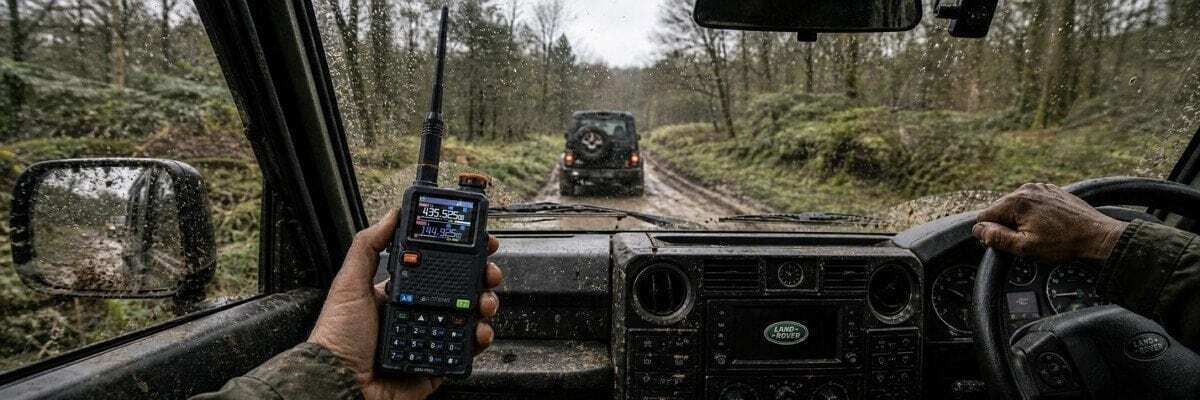
🔵 Practical handheld setup tip: A handheld can still become frustrating when it rolls around the footwell or disappears beneath coats. A practical setup should include a secure holder, a fully charged battery and a spare power option. A speaker microphone may also allow the radio to remain secured while keeping the push-to-talk control within reach.
New buyers who are uncertain about equipment types can read the UK guide to handheld radios and licence-free options.
Which setup matches your green-laning style?
Choose a vehicle-mounted radio when you lead convoys regularly, use a dedicated off-road vehicle and are prepared to install the equipment correctly. It makes sense when dependable in-cab access matters more than portability.
Choose a handheld radio when you green-lane occasionally, move between vehicles or need communication while walking outside. Handheld models are also more suitable for groups building a shared radio kit on a limited budget.
Some established groups use both. The lead vehicle may have a fixed radio, while other drivers and spotters carry handheld units. This can offer good coverage across different tasks, but every radio must be compatible and operated on authorised frequencies.
🎯 Expert insight: For additional vehicle-based scenarios, the site's guide to the best walkie-talkies for UK road trips and 4x4 convoys provides useful model and use-case comparisons that apply equally well to green-laning groups.
Recommended radios for UK green laning
The models below cover the main use cases for UK green-laning groups — from compliant licence-free handhelds to GPS-equipped long-range radios suited to convoy leaders on extended off-road routes.
🚙 Baofeng Radios for UK Green Laning & Off-Road Convoys
Matched to different convoy roles — select the radio that fits your setup and budget.
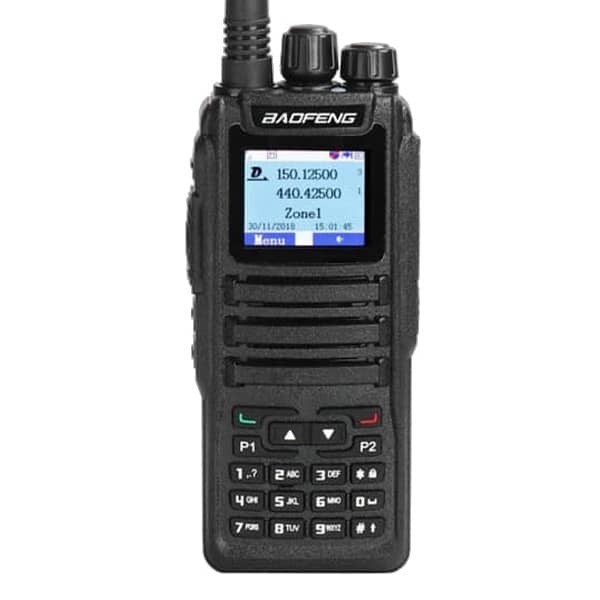
Baofeng DM-1701 DMR
Digital DMR radio with dual time-slot support — suited to licensed convoy leaders who need structured talk groups and clearer audio on longer lanes.
View DM-1701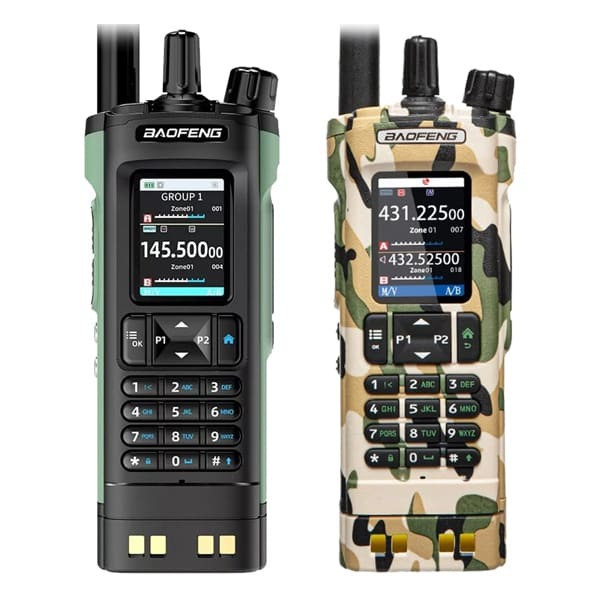
Baofeng UV-32 GPS
10W dual-band handheld with integrated GPS and Bluetooth — useful for convoy leaders who want position awareness on unfamiliar routes.
View UV-32 GPS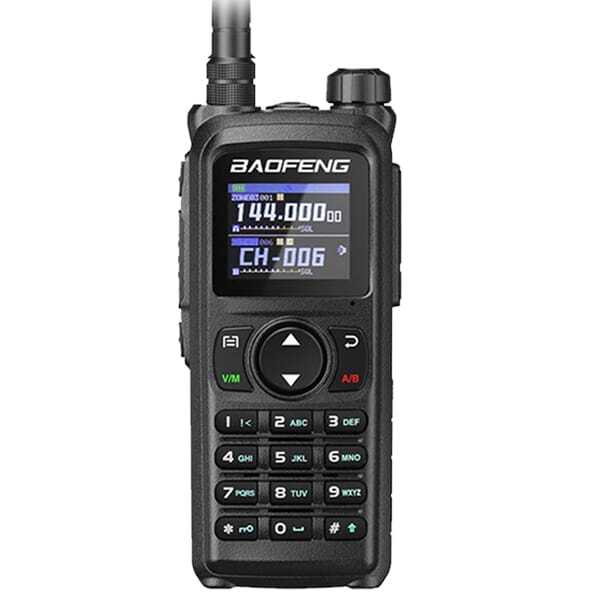
Baofeng UV-28 PRO GPS
High-power GPS radio with Bluetooth connectivity — a practical choice for experienced operators on extended green-lane routes.
View UV-28 PRO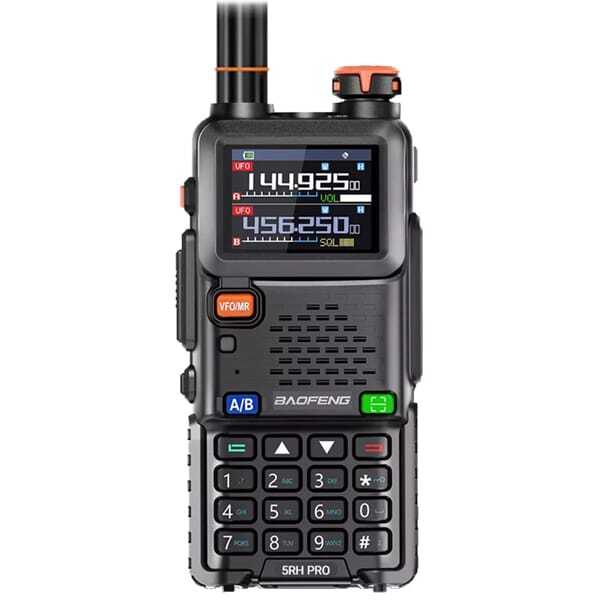
Baofeng UV-5RH Pro GPS
Compact 10W GPS handheld with a familiar form factor — good for drivers who want capable in-hand performance without a large radio body.
View UV-5RH Pro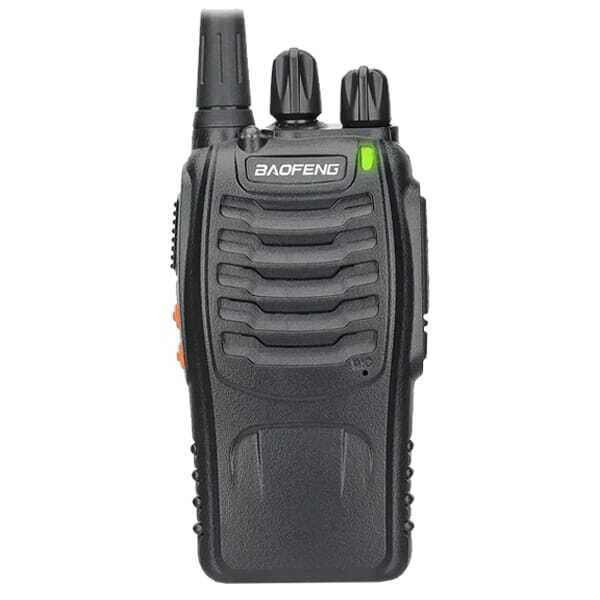
Baofeng BF-888S PMR446
Compliant PMR446 licence-free radio — the straightforward, no-licence-needed choice for casual green-laning groups and first-time radio buyers.
View BF-888SUK licensing matters more than maximum power
A radio advertised with more power is not automatically a better — or legal — choice for casual convoy communication.
Compliant PMR446 licence-free radios can be used without an individual Ofcom licence when the equipment meets the relevant licence-exemption conditions. These radios offer a straightforward choice for drivers who want simple vehicle-to-vehicle communication without programming specialist frequencies.
Programmable, removable-antenna or higher-powered amateur radios should not automatically be treated as licence-free PMR446 walkie-talkies. Depending on the equipment, frequency and purpose, an amateur or business radio licence may be needed before transmitting.
This distinction is particularly important when comparing handheld amateur radios with vehicle-mounted transceivers. Every convoy member should know which channels are being used, whether the radios are compatible and what authorisation applies.
⚠️ Privacy codes ≠ private channel: Privacy codes do not create a private channel. They normally prevent the speaker from opening for unwanted transmissions, but other people using the same frequency may still hear the conversation.
🟢 Programming tip: If your radios need programming to specific frequencies, the free open-source CHIRP software supports many popular handheld radio models and can help you configure channels consistently across a fleet before setting off. Always confirm you are programming frequencies you are authorised to use under your Ofcom licence.
Do not buy based on range claims alone
Green-laners often search for the longest-range radio, but countryside communication rarely follows a product's maximum-range headline.
A radio may work well across an open ridge and struggle when the next vehicle is behind a hill, inside dense woodland or low in a valley. A well-positioned antenna, sensible convoy spacing and clear operating habits can matter as much as the radio itself.
Agree on the channel before setting off and test every unit while the group is still together. Decide who leads, who drives at the rear and what the group should do when a transmission is missed.
🎯 Expert note: Radio communication should support good convoy discipline rather than replace it. Even the best radio cannot compensate for drivers who space too widely, fail to acknowledge transmissions or change channels without telling the group. Browse the full Baofeng long-range two-way radio collection to compare models suited to extended off-road use.
The practical recommendation
For occasional green-laning days, compliant handheld PMR446 radios are usually the least complicated choice. They are portable, easy to distribute and useful both inside and outside the vehicle.
For regular convoy leaders or appropriately licensed radio users, a vehicle-mounted system can deliver a cleaner and more consistent in-cab experience. Its real advantage is not an exaggerated long-range promise. It is the combination of continuous power, accessible controls and a properly positioned antenna.
The best vehicle-mounted vs handheld radio decision depends on how often you drive, how frequently you leave the cab, how much installation work you accept and which UK radio permissions apply.
🔵 Bottom line: Choose the radio that fits the realities of your convoy and the terrain ahead — not simply the highest power figure printed on the box. Browse the full range of two-way radios and walkie talkies to compare models, twin packs and accessories for your group.
Frequently asked questions
Do I need a licence to use a walkie talkie for UK green laning?
It depends on the radio. Compliant PMR446 licence-free radios can be used without an individual licence when the equipment meets the licence-exemption conditions set out by Ofcom. Higher-powered radios, amateur transceivers or programmable models operating on frequencies outside the PMR446 band may require an appropriate licence before transmitting.
Can a handheld radio work as well as a vehicle-mounted radio in a green-laning convoy?
For most casual groups, yes. Handheld radios are portable, easy to share across different vehicles and can be carried outside the cab — which is often when communication matters most. A vehicle-mounted radio may offer advantages for regular convoy leaders who want continuous in-cab access and a properly positioned external antenna, but for occasional outings a good handheld is usually sufficient.
What is the best PMR446 radio for green laning in the UK?
The Baofeng BF-888S PMR446 is a straightforward licence-free option for groups who want a reliable, easy-to-use handheld without programming or installation. For longer routes and more demanding conditions, GPS-equipped handhelds from the Baofeng long-range collection offer additional situational awareness while remaining practical for convoy use.
Can I programme my radio channels using CHIRP?
Yes — CHIRP is a free, open-source radio programming application that supports many popular handheld radio models. It allows you to configure channels, tone codes and other settings consistently across multiple radios before a trip. Always confirm that the frequencies you programme are authorised under your relevant Ofcom licence before transmitting.
How many radios does a green-laning group need?
At minimum, one radio per vehicle. The lead vehicle and the rear vehicle are the most important positions to cover — they are the most likely to lose sight of each other. Larger convoys may benefit from an additional radio at the midpoint or assigned to a designated marshal walking ahead. Explore Baofeng two-way radio twin packs for a cost-effective way to equip the whole group.
Do privacy codes keep green-lane radio conversations private?
No. Privacy codes (CTCSS/DCS tones) prevent the radio speaker from opening when it receives a transmission without the matching code, but they do not prevent another user on the same frequency from hearing the conversation. For casual convoy communication this is generally not a significant concern, but the group should avoid transmitting personal information over shared channels. Learn more in the UK guide to handheld radios and licence-free options.
Find the Right Radio for Your Green-Laning Setup
From compliant PMR446 licence-free handhelds to GPS-equipped long-range radios for convoy leaders — Baofeng UK has the right two-way radio for every off-road group and budget.
Shop All Walkie Talkies