
5th Nov 2026
Ham Radio Hobby in the UK: A Practical Guide to Amateur Radio
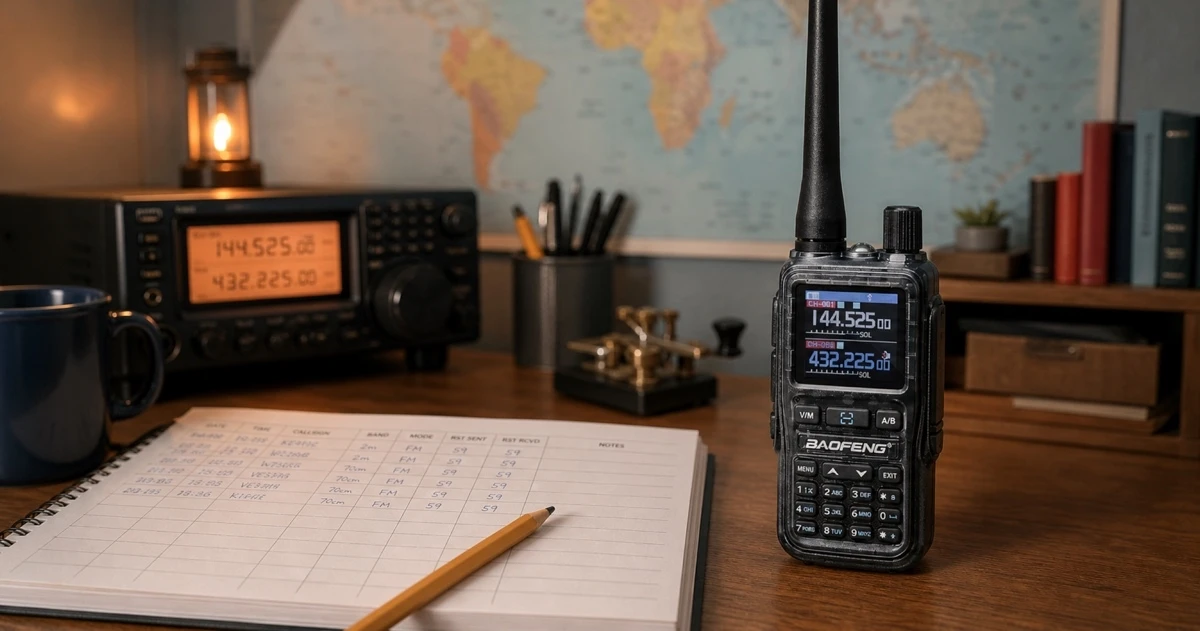
This beginner's guide was written and reviewed by the Baofeng UK technical team — UK-based radio communications specialists. Licensing information references current Ofcom guidance and the UK amateur radio licensing framework. This is an educational guide for prospective and newly licensed operators. Always verify current licence conditions before transmitting on any frequency.
Curious about the ham radio hobby and wondering where to start in the UK?
The ham radio hobby, also known as amateur radio, gives people a practical way to explore radio communication, wireless technology and electronics while communicating with other licensed operators. In the UK, amateur radio operators can make local and long-distance contacts, experiment with antennas and radio equipment, explore digital modes, learn Morse code, communicate through amateur radio satellites and take part in organised emergency communications exercises.
What makes amateur radio distinctive is the combination of communication and technical experimentation. It can begin with a relatively simple handheld radio, but the hobby can eventually lead into radio theory, propagation, antenna design, software, satellite communication and advanced digital transmission methods. For many new operators, the biggest challenge is understanding where to begin — the radio itself is only one part of the hobby.
⚡ TL;DR — Key Takeaways
- Amateur radio is a non-commercial hobby combining radio communication with technical experimentation, open to anyone who obtains the appropriate Ofcom licence.
- The UK licensing structure has three levels — Foundation, Intermediate and Full — each granting progressively greater privileges and power limits.
- Amateur radio bands span HF, VHF, UHF and beyond, with each part of the spectrum offering different operating possibilities from local repeater contacts to worldwide HF communication.
- The hobby includes voice, Morse code (CW), digital modes, satellite communication, portable operating, antenna experimentation and emergency communications.
- A beginner can start with a simple VHF/UHF handheld transceiver and expand gradually into HF, digital modes, satellites and more as interests develop.
- Technical capability to programme a frequency does not itself provide permission to transmit. UK operators must comply with their Ofcom licence conditions at all times.
📋 Table of Contents
- What Is the Ham Radio Hobby?
- Why Do People Become Amateur Radio Operators?
- Amateur Radio Licensing in the UK
- Understanding Amateur Radio Bands
- Voice Communication and Single Sideband
- Morse Code Still Has a Place in Amateur Radio
- Digital Modes and Modern Amateur Radio
- What Equipment Does a Beginner Need?
- Programming a Handheld Radio
- Antennas Matter as Much as the Radio
- Low Power Communication and Weak Signals
- Amateur Radio Satellites
- Amateur Radio and the International Space Station
- Emergency Communications and Public Service
- Joining the Amateur Radio Community
- A Practical Route Into the Hobby
- Understanding Realistic Radio Range
- Why Amateur Radio Still Matters
- Shop Recommended Radios
- Frequently Asked Questions
What Is the Ham Radio Hobby?
Ham radio is a form of non-commercial radio communication carried out by authorised amateur operators on designated radio frequencies.
The International Telecommunication Union describes the amateur service in terms of self training, intercommunication and technical investigations carried out by appropriately authorised people interested in radio technique for personal purposes and without financial interest.
That definition explains why amateur radio covers much more than simply talking over a radio.
A licensed operator might spend one evening making contact with people locally on VHF or UHF, then experiment with a new antenna at the weekend. Another radio amateur may be interested in Morse code, weak signal conditions or digital communication. Others concentrate on long distance communication through HF radio propagation.
The hobby therefore combines several interests:
- radio communication
- wireless experimentation
- electronics and radio theory
- antenna construction and testing
- digital modes
- Morse code
- portable operating
- satellite communication
- emergency communications
- making contact with other radio amateurs
There is no requirement to explore all of these areas. Many operators develop a particular interest over time.
Why Do People Become Amateur Radio Operators?
People enter amateur radio for different reasons.
Some enjoy the social experience of making contact with radio operators across the UK and around the world. Amateur radio can connect people who may never otherwise meet, creating a global community built around a shared interest in radio technology.
Other operators are more interested in how communication works.
Radio signals behave differently according to frequency, antenna design, terrain, atmospheric conditions and propagation. Experimenting with these variables gives operators a deeper understanding of wireless communication that is difficult to gain from ordinary consumer technology.
A simple contact can raise technical questions.
Why did one station arrive strongly while another was difficult to hear? Why does an antenna perform better on one amateur radio band than another? Why can a low power digital signal sometimes travel further than expected?
These questions are part of the attraction.
Many operators gradually move from using radio equipment to understanding how that equipment interacts with the surrounding environment.
There is also a strong community element. Local clubs often bring together new operators and people with decades of practical experience. Joining one can make it easier to study for a licensing exam, understand operating etiquette, learn about antennas and receive help setting up a first amateur radio station.
✅ Tip for beginners: The ability to share knowledge with experienced operators can make the technical side of the hobby much easier to understand. Do not hesitate to reach out to a local club even before you have passed your licensing exam.
Amateur Radio Licensing in the UK
To operate independently as a radio amateur in the UK, you normally need an appropriate Ofcom amateur radio licence. People without their own licence may also operate under a licensee's direct physical supervision, subject to the licence conditions.
The UK licensing structure has three levels:
Foundation Licence
The Foundation licence is the normal entry point for new operators. It introduces essential radio theory, operating practice, safety and licence conditions while allowing newcomers to begin transmitting on permitted amateur bands.
Intermediate Licence
The Intermediate level builds on Foundation knowledge and gives operators additional privileges, including higher permitted power on many amateur allocations.
Full Licence
The Full licence provides the broadest UK amateur privileges and is intended for operators who have developed a more advanced understanding of radio technology and operating practice.
| Licence Level | Typical Maximum Power (PEP) | Entry Point |
|---|---|---|
| Foundation | Up to 25 W on most permitted bands | Normal entry for new operators |
| Intermediate | Up to 100 W on most permitted bands | Builds on Foundation knowledge |
| Full | Up to 1000 W in some allocations | Broadest UK amateur privileges |
⚠️ Important: These numbers should never be treated as permission to transmit at a particular power on every frequency. Specific bands can have separate restrictions, and operators are responsible for understanding the conditions attached to their own radio licence.
After passing the relevant exam and obtaining a licence, an operator receives a call sign. Call signs identify individual amateur stations and form an important part of normal radio communication.
For someone beginning the hobby, the UK ham radio licence guide provides a useful introduction to the process. Current Ofcom documentation should always remain the final authority when checking legal privileges.
Understanding Amateur Radio Bands
Licensed amateur operators do not have unrestricted access to the radio spectrum.
Instead, amateur radio uses designated frequency bands allocated for amateur use. These range across HF, VHF, UHF and considerably higher frequencies. Each part of the radio spectrum offers different operating possibilities.
HF and Long Distance Communication
HF is closely associated with long distance communication.
Under suitable propagation conditions, HF radio signals can interact with the ionosphere and travel far beyond normal line-of-sight distances. This allows amateur operators to make contact between countries and, under the right conditions, across continents.
Success does not depend on transmitter power alone. The operating frequency, solar conditions, time of day, antenna performance and background noise can all influence whether another amateur operator can hear the signal.
This is why propagation becomes an important area of study for operators interested in global communication.
VHF and UHF
VHF/UHF are particularly popular for local and regional communication.
They are widely used with handheld radios, mobile radios and repeaters. UK amateur allocations include the familiar 144 to 146 MHz band and frequencies within the 430 MHz region.
A new ham operator using a handheld transceiver will often begin in this part of the spectrum.
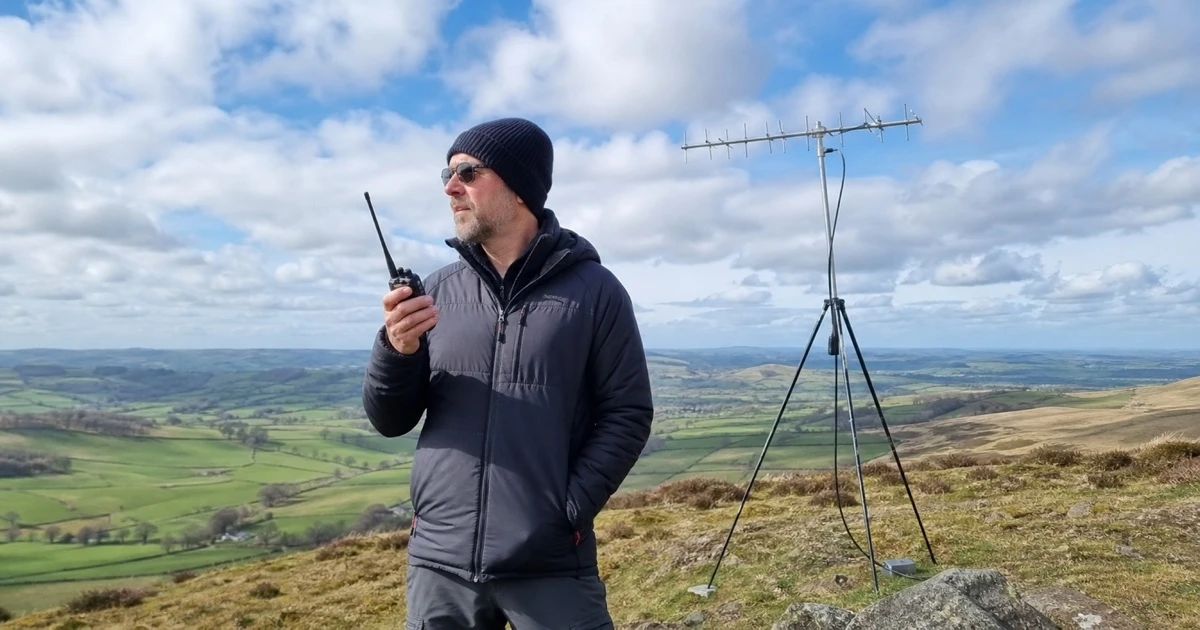
VHF and UHF communication is more strongly influenced by terrain, buildings, antenna position and line of sight than many HF contacts. Moving to higher ground or improving the antenna position can sometimes make a significant difference.
Repeaters can also extend practical communication by receiving one radio signal and retransmitting it from a strategically located site.
Why Band Plans Matter
An amateur radio licence defines where an operator is legally permitted to transmit, but radio amateurs also use band plans to help organise activity within those allocations.
Band plans identify areas generally used for particular transmission methods and activities. One portion of a band might be associated with voice operation, another with digital modes, beacons, satellite communication or weak signal experimentation.
They help many operators use the available spectrum efficiently and reduce unnecessary interference.
The Radio Society of Great Britain publishes UK band plans and updates them as operating practices and international arrangements develop. For that reason, operators should consult the current band plan instead of assuming that a frequency recommendation found in an old forum post, printed guide or programming file remains current indefinitely.
Voice Communication and Single Sideband
Voice remains one of the easiest ways to begin making contact with other amateur operators.
FM is common for local VHF and UHF communication, particularly when using handheld equipment or repeaters.
Single sideband, usually shortened to SSB, is particularly important on HF and in some VHF weak signal activity.
SSB uses radio spectrum efficiently and is well suited to long distance communication. It allows many operators to use a band without requiring the wider channel bandwidth associated with some other transmission methods.
🔵 Beginner note: A beginner does not need to understand every technical detail before listening to SSB activity, but learning how different voice modes use bandwidth is an important part of developing good operating practice.
Morse Code Still Has a Place in Amateur Radio
Wireless telegraphy and Morse code played a major role in the early development of radio communication.
Morse code proficiency is no longer required to obtain a UK amateur radio licence, but CW, the term commonly used by radio amateurs for Morse operation, remains active.
Some operators enjoy Morse because of its history. Others value its technical characteristics.
A Morse signal occupies relatively little bandwidth and can remain understandable under conditions where voice communication becomes difficult. This makes CW particularly interesting for low power operation and weak signal conditions.
Learning Morse is entirely optional for new operators. It can be added later if that part of the hobby becomes interesting.
Digital Modes and Modern Amateur Radio
Modern amateur radio includes far more than analogue voice and Morse code.
Digital modes allow computers or dedicated radio equipment to encode and decode information carried over radio signals.
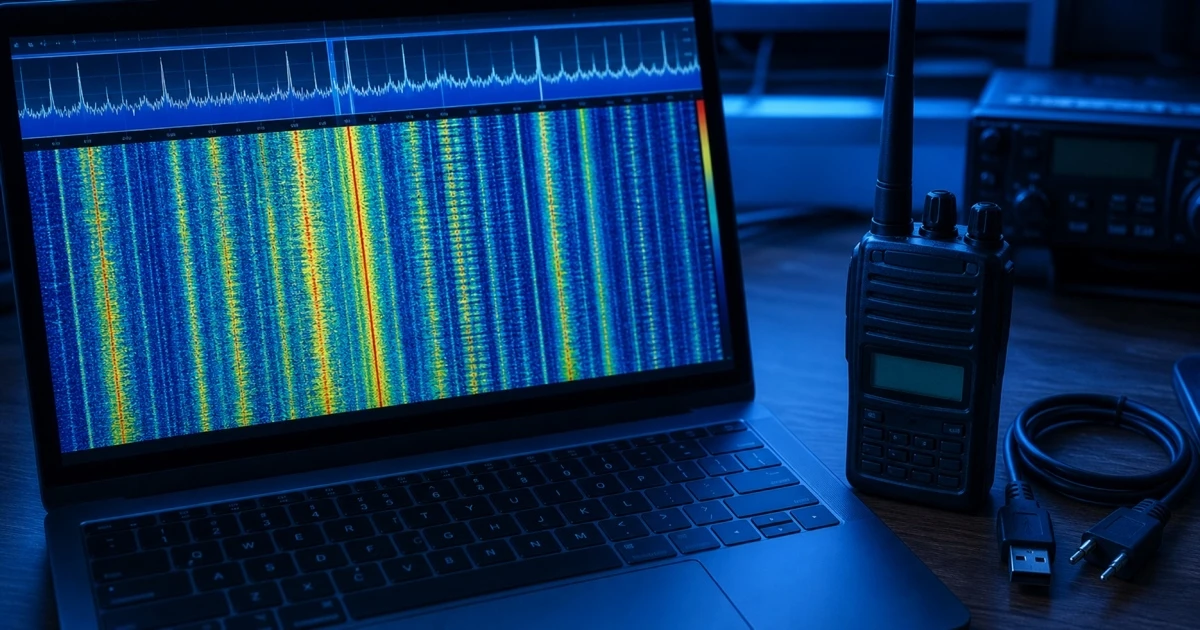
Some modes are designed for conversational text. Others concentrate on making contact under weak signal conditions. Digital voice systems combine voice communication with digital transmission technology.
Modes such as PSK31 demonstrated how relatively narrow signals and modest power could be used for keyboard-to-keyboard communication over substantial distances. More recent digital systems have expanded what amateur operators can achieve when signals are extremely weak.
These transmission methods give radio experimenters an opportunity to understand how software, signal processing and wireless technology interact.
🎯 Why digital modes appeal to new operators: For many younger or technically minded newcomers, digital radio provides a natural connection between computing and traditional radio — combining programming, signal processing and wireless experimentation in a single activity.
What Equipment Does a Beginner Need?
A first amateur radio station does not need to be complicated.
The right equipment depends on what type of radio communication you want to explore. Someone mainly interested in local VHF and UHF operation may begin with a handheld transceiver. Someone interested in worldwide HF contacts will eventually need different radio equipment and an antenna suitable for lower frequency bands.
A typical beginner setup might include:
- an amateur radio transceiver
- a suitable antenna
- a charged battery or power supply
- a programming cable if required
- programming software where supported
- access to current band and licence information
Operators looking at handheld equipment can explore the amateur radios collection to compare radios designed for amateur use.
The UV-5R Series is another useful place to compare handheld options for VHF and UHF operation.
For operators who prefer a compact handheld format, the UV-5R Mini range provides another route into portable amateur radio.
⚠️ Choose for your activity, not for specifications: The important point is to choose equipment according to the activity you plan to pursue rather than assuming the radio with the highest stated power or greatest number of features is automatically the best choice. A beginner who mainly wants local repeater communication may have very different requirements from an operator interested in satellites, digital modes or HF.
Programming a Handheld Radio
Programming is one of the areas that can initially make amateur radio equipment appear more difficult than it really is.
Many handheld radios allow operators to save frequencies and associated settings into memory channels. This can make regular use much more convenient.
Depending on the radio, programming may be carried out using the keypad, a computer or a compatible mobile application.
A physical connection to a computer normally requires a suitable programming cable. The programming cable collection can help operators identify equipment intended for radio programming.
Programming software can then be used to organise memories, repeater settings and other radio parameters.
⚠️ Programming ≠ Permission: A radio may technically allow a user to enter many radio frequencies. That does not mean the operator is legally authorised to transmit on every frequency the equipment can display. Licensed amateur radio operators must operate within the frequency bands and conditions permitted by their licence. This distinction is particularly important for new operators because modern programmable radios can cover frequencies used by several different radio services.
Antennas Matter as Much as the Radio
Beginners often focus heavily on transmitter power.
In practice, the antenna and its location can have an equally important, and sometimes greater, effect on successful communication.
A radio signal that is poorly transferred into the antenna will not suddenly become effective simply because transmitter power is increased.
Antenna design also depends on frequency. An antenna suitable for one amateur radio band may perform poorly on another. Height, surrounding buildings, nearby metal objects and terrain can all influence results.
This is one of the reasons technical experimentation becomes such a major part of the ham radio hobby.
Operators often begin by using the antenna supplied with their radio, then gradually experiment with other antenna designs as their understanding develops. Building or testing an antenna is also a good way to connect radio theory with practical results.
Low Power Communication and Weak Signals
One of the most interesting lessons in amateur radio is that more power does not always produce the most rewarding contact.
Many operators deliberately use low power, commonly associated with QRP operating, to see what can be achieved with efficient antennas, good operating technique and favourable propagation.
Digital modes and Morse code can also perform well when signals are too weak for comfortable voice communication.
These experiments teach operators to think about the entire communication system. Transmitter power is only one variable among antenna efficiency, receiver sensitivity, noise, propagation, terrain and operating skill.
✅ The QRP challenge: Making contact over a surprising distance with low power can be more technically satisfying than simply increasing output. Many experienced operators consider QRP one of the most rewarding aspects of the hobby.
Amateur Radio Satellites
Amateur radio activity also extends into space.
Amateur radio satellites carry equipment that can receive and retransmit radio signals between stations on Earth.
Working through a satellite introduces a different set of technical challenges. For a low-Earth-orbit satellite, the operator must know when it will pass overhead, where it will appear in the sky and how long it will remain usable from a particular location. Geostationary amateur satellites remain in approximately the same direction in the sky.
Higher frequencies can also require compensation for Doppler shift as the satellite rapidly approaches and moves away from the station.
Satellite communication therefore combines radio operation with orbital prediction, antenna technique and careful timing.
🔵 Start by listening: A new operator does not have to transmit immediately. Receiving signals from amateur radio satellites can itself be an excellent experiment and a practical way to understand how radio signals behave in a completely different propagation environment.
Amateur Radio and the International Space Station
The International Space Station has also played a role in amateur radio.
Amateur radio equipment aboard the ISS has been used for educational contacts connecting astronauts with schools and communities on Earth. These contacts demonstrate how amateur radio can support education in science, engineering, space and wireless communication.
For radio amateurs, receiving signals associated with the ISS can make the hobby feel very different from ordinary local communication.
The same basic ideas learned through a handheld radio, including frequencies, antennas and signal reception, can eventually connect with an object orbiting hundreds of kilometres above Earth.
Emergency Communications and Public Service
Amateur radio has a long association with emergency communications and public service.
During natural disasters, severe weather, power failures or disruption to normal communication infrastructure, trained amateur radio operators may be able to establish independent links using radios, portable antennas and battery power.

In the UK, volunteer operators and organised groups undertake exercises designed to maintain these skills. These exercises can involve setting up stations in temporary locations, passing structured messages and practising communication when conventional systems are unavailable or overloaded.
Different countries use different structures and terminology. The phrase amateur radio emergency service is particularly familiar in some international contexts, while UK operators should follow local organisations and Ofcom licence conditions.
⚠️ Important context: Amateur radio should not be considered a replacement for emergency services or normal public communication systems. Its value lies in the ability of technically trained radio operators to establish additional communication paths when circumstances require them.
Joining the Amateur Radio Community
Obtaining a licence allows an operator to transmit, but joining the broader amateur radio community can make the hobby much easier to develop.
Local clubs provide opportunities to meet other radio amateurs, ask questions and see different types of equipment in use.
Many clubs support new operators preparing for the Foundation licence. They may also organise portable operating days, competitions, technical talks, demonstrations or group projects.
Experienced operators can be particularly valuable when a new operator encounters practical problems such as programming a repeater, selecting an antenna or understanding why a signal cannot be heard.
The amateur community also extends internationally. Many international amateur contacts are made entirely over radio, while others use internet-linked gateways or repeater networks. Both approaches can connect operators in different countries.
This international character has long encouraged technical cooperation and international goodwill among radio amateurs.
A Practical Route Into the Hobby
Someone interested in amateur radio can begin without buying a large amount of equipment.
- Start by listening. Learn what amateur radio is and listen to legal receive activity where suitable equipment permits it.
- Study for the Foundation exam. This introduces the radio theory, safety rules and operating practices needed before transmitting.
- Obtain your licence and call sign. After passing the exam, apply for an Ofcom amateur radio licence.
- Choose equipment suited to your interests. For many new operators, a VHF/UHF handheld offers a straightforward entry into local communication, repeaters and basic programming.
- Expand gradually. Experiment with an external antenna, make your first repeater contact, learn Morse code, explore a digital mode or listen for an amateur satellite.
There is no set period in which an operator must progress to the next licence level or master a particular technical skill. Self training is part of amateur radio itself.
Understanding Realistic Radio Range
Claims about radio range should always be treated carefully.
There is no single distance that defines how far a ham radio will communicate.
Terrain, frequency, antenna height, antenna efficiency, buildings, transmitter power, receiver conditions and atmospheric propagation all affect range.
Two operators using handheld equipment inside a dense urban environment can experience a very different result from two operators using the same radios from elevated outdoor locations.
On VHF and UHF, antenna position and line of sight can be particularly important. On HF, ionospheric conditions can make long distance communication possible even when the transmitting station uses relatively low power.
🎯 Why this variability is a strength: This variability is not a weakness of amateur radio. Understanding why radio signals behave differently is one of the subjects that keeps many operators interested for decades. Every contact involves a unique combination of technical and environmental factors.
Why Amateur Radio Still Matters
Amateur radio has existed for generations, but the hobby continues to change alongside wireless technology.
Traditional Morse code and analogue voice now sit alongside digital voice, computer-assisted modes, satellite communication and increasingly software-driven radio systems.
Yet the core attraction remains recognisable.
An operator learns how radio works, selects or builds suitable equipment, sends a signal and attempts to make contact with another person.
Every successful contact depends on a chain of technical factors, from the transmitter and antenna to propagation and receiving conditions.
This gives amateur radio something that many modern communication systems hide from the user: a direct view of how wireless communication actually works.
For beginners, the hobby can start simply with a licence, a handheld radio and a first local contact.
For experienced amateur operators, it can develop into years of technical experimentation, international communication, antenna design, digital modes, satellite work and public service.
The ham radio hobby has room for both.
Its continuing appeal comes from the combination of technology, self training, experimentation and community. Every new frequency band, transmission method or contact offers another opportunity to understand radio more deeply and to share that knowledge with other operators.
Editorial methodology: This guide explains the amateur radio hobby in the UK using the Ofcom licensing framework, RSGB band plan guidance and the ITU amateur service definition. It is an educational reference for prospective and newly licensed operators and does not constitute legal or regulatory advice. Licence conditions and frequency allocations are subject to change. Always verify the current Ofcom licence schedule before operating on any amateur radio frequency.
Shop Recommended Radios
Whether you are a newly licensed Foundation operator looking for your first handheld, need a more capable multi-band radio for VHF/UHF and beyond, or require simple licence-free communication while you study, the three radios below cover the main use cases discussed in this guide.
📻 Baofeng Radios for Licensed and Licence-Free Operators
From compact Bluetooth-programmable handhelds for new Foundation operators to compliant licence-free radios for everyday short-range communication.
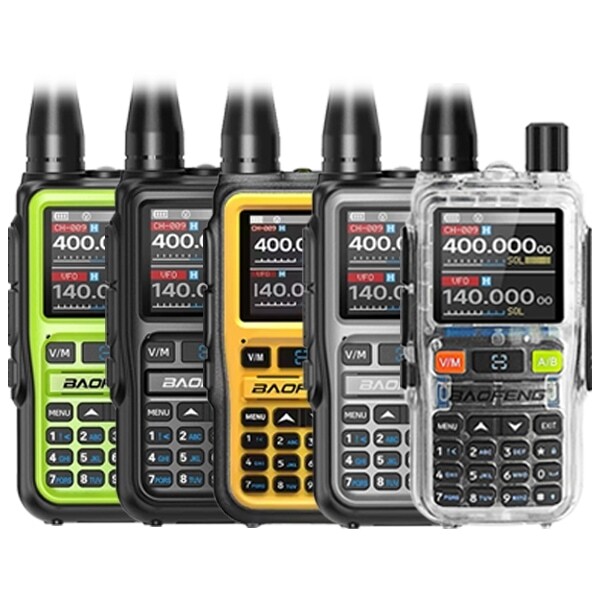
Baofeng UV-5R Mini
5W · Airband receive · Bluetooth app programming · USB-C — an ideal first handheld for newly licensed Foundation operators exploring local VHF/UHF repeaters and simplex contacts.
View UV-5R Mini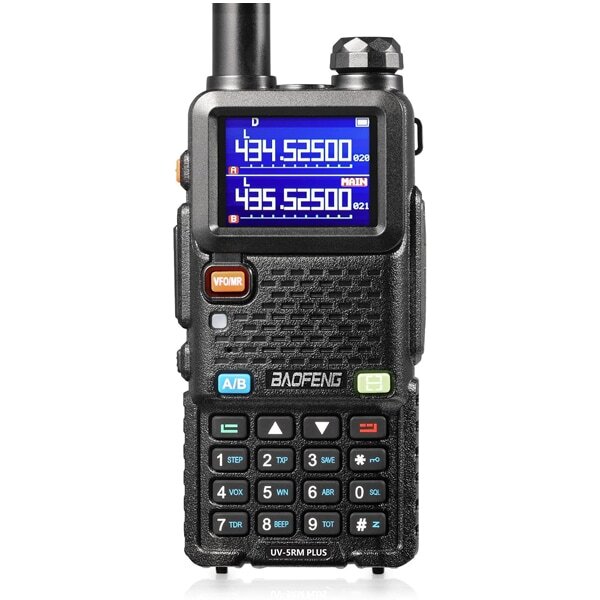
Baofeng UV-5RM Plus
10W · Multi-band · Airband · USB-C — a versatile step-up handheld for licensed operators ready to explore wider frequency coverage, digital modes and longer-range VHF/UHF contacts.
View UV-5RM Plus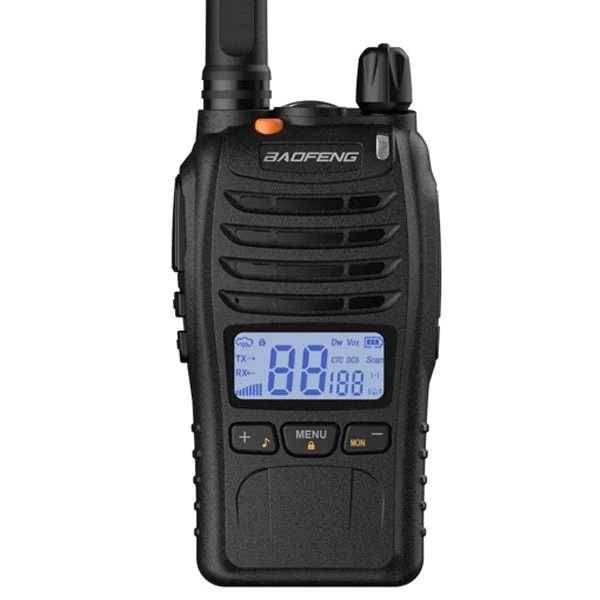
Baofeng BF-88ST Pro PMR446
PMR446 compliant · 0.5W ERP · Licence-free — for short-range communication without an amateur licence. Perfect for everyday use while you study for your Foundation exam.
View BF-88ST Pro PMR446Browse the full amateur radios collection for more licensed operator options, explore the UV-5R Series for classic handheld models, or visit the Baofeng software and drivers page for model-specific programming resources.
Frequently Asked Questions About the Ham Radio Hobby
1. What should I learn after getting my Foundation licence?
Start with practical operating skills such as making local contacts, using repeaters and understanding your radio's controls. You can then move into antennas, propagation, digital modes or the Intermediate licence. Many new operators find that joining a local club accelerates this process significantly, as experienced members can help with programming, antenna selection and operating practice. There is no rush — self training at your own pace is a fundamental part of the amateur radio tradition.
2. Is a handheld radio enough for the ham radio hobby?
A handheld radio is enough for many local VHF and UHF activities, including repeater contacts, simplex operation and portable operating. However, it will not cover every part of amateur radio. HF communication, some satellite work and advanced weak-signal operation may require different equipment, larger antennas and more power. Most operators begin with a handheld and gradually add equipment as their interests develop.
3. Is it worth joining a local amateur radio club?
Yes, especially for beginners. A local club can help with programming, antennas, operating practice and making your first contacts while giving you access to experienced radio amateurs. Many UK clubs run Foundation licence training courses, organise portable operating days and provide a supportive environment for newcomers. The community aspect is one of the most valuable parts of the hobby, and experienced operators are generally very willing to help new licensees get started on the air.