11th Jul 2026
Can Different Brands of Walkie Talkies Talk to Each Other?
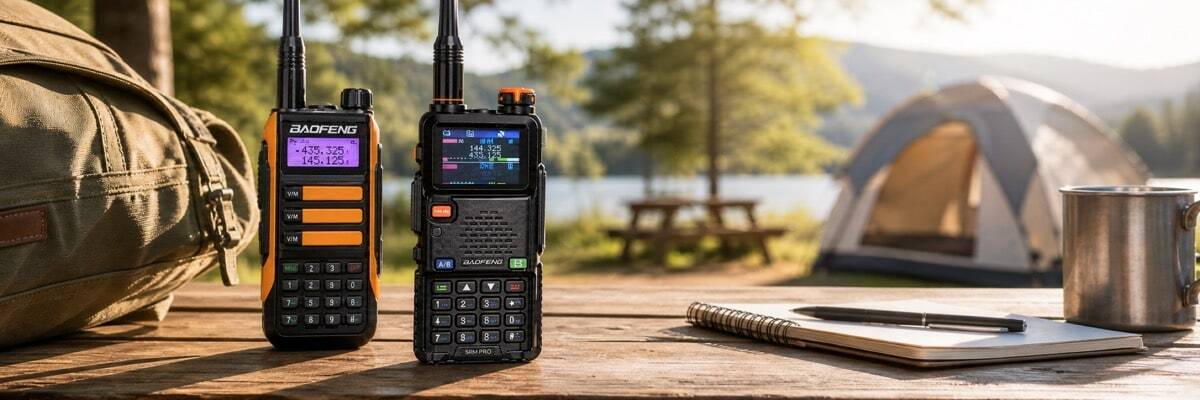
Wondering Whether Walkie Talkies from Different Brands Can Talk to Each Other? Here Is What You Need to Know
If you're adding new walkie talkies to an existing set, you might be wondering whether they can communicate with radios from another brand. It's one of the most common questions buyers ask before upgrading their equipment. The good news is that different walkie talkies can often work together—but only when they're using compatible frequencies, channels, and radio settings.
Whether you're managing a construction crew, coordinating an event, running a retail store, or planning an outdoor adventure, understanding compatibility can help you avoid replacing an entire fleet of radios unnecessarily. For UK users, it's equally important to understand which radios are licence-free and which require an Ofcom licence before transmitting.
⚡ Quick Summary: Can Different Walkie Talkie Brands Communicate?
- ✅ Yes — with the right settings: Brand does not determine compatibility. Frequency, channel, and mode do.
- 📡 Frequency must match: Both radios must transmit and receive on the same frequency.
- 🔒 Privacy codes must match: CTCSS or DCS codes filter transmissions — mismatched codes mean silence.
- 📻 Same mode required: Analog and digital-only radios cannot communicate directly.
- 🇬🇧 UK licensing applies: PMR446 is licence-free. Higher-power or programmable radios may need an Ofcom licence.
📋 Table of Contents
- The Short Answer
- Can Different Walkie Talkies Communicate with Each Other?
- Do Different Walkie Talkie Brands Use the Same Frequencies?
- Can Baofeng Radios Talk to Motorola or Kenwood Radios?
- Understanding PMR446 Compatibility
- What About High-Power Walkie Talkies?
- Real-World Compatibility Examples
- Common Reasons Different Walkie Talkies Can't Connect
- How to Make Different Walkie Talkies Work Together
- Choosing Compatible Walkie Talkies for Your Team
- Key Takeaways
- FAQ
- Final Thoughts
The Short Answer
Yes, different brands of walkie talkies can communicate with each other. Compatibility is determined by the radio's technical specifications rather than its brand name.
To communicate successfully, the radios generally need to:
- Operate on the same frequency.
- Use the same channel bandwidth.
- Have matching CTCSS or DCS privacy codes.
- Support the same communication mode (analog or digital).
- Comply with local radio regulations.
A Motorola radio, for example, can often communicate with a Baofeng, Kenwood, Hytera, or Icom radio if they're programmed with compatible settings.
Can Different Walkie Talkies Communicate with Each Other?
Yes—but only when the radios are configured correctly.
Unlike smartphones, walkie talkies don't rely on manufacturer-specific networks. Instead, they communicate over shared radio frequencies. If two handheld radios support the same frequency range and are programmed with matching settings, they can usually communicate regardless of who made them.
The most important compatibility factors are:
| Compatibility Factor | Why It Matters |
|---|---|
| Frequency | Both radios must transmit and receive on the same frequency. |
| Channel Bandwidth | Narrowband and wideband settings must match. |
| CTCSS/DCS Privacy Codes | These filter unwanted transmissions and should match on both radios. |
| Analog or Digital Mode | Analog radios cannot communicate directly with digital-only radios unless both support the same operating mode. |
| Regional Regulations | Radios must be used within local licensing rules and frequency allocations. |
🎯 Expert Insight: Based on the compatibility questions we regularly receive from customers, the brand itself is rarely the reason two walkie talkies can't communicate. In most cases, communication issues are caused by mismatched frequencies, incorrect privacy codes, channel spacing, or programming settings. Before replacing your existing radios, it's worth checking these configurations first.
Do Different Walkie Talkie Brands Use the Same Frequencies?
Many two-way radios are designed around industry-standard frequency bands rather than proprietary systems.
The most common frequency ranges include:
- PMR446 (licence-free in the UK)
- UHF (Ultra High Frequency)
- VHF (Very High Frequency)
PMR446 radios from different manufacturers are typically designed to communicate with one another because they follow the same European standard. This makes them an excellent choice for families, schools, hospitality businesses, retail stores, and outdoor groups looking for simple, licence-free communication.
Programmable UHF and VHF radios offer greater flexibility but often require manual configuration and, depending on the frequencies used, the appropriate licence.
Can Baofeng Radios Talk to Motorola or Kenwood Radios?
Yes, in many situations they can.
Popular models such as the Baofeng UV-5R, UV-5RM, and BF-888S can often communicate with compatible analog radios from Motorola, Kenwood, Hytera, and other manufacturers after they're programmed to the same frequency and channel settings.
To communicate successfully, both radios should:
- Operate within the same frequency band.
- Use matching transmit and receive frequencies.
- Share the same CTCSS or DCS privacy codes.
- Operate in the same analog communication mode.
For users who don't need programmable radios, Baofeng also offers PMR446 licence-free models that are designed to communicate with other compliant PMR446 radios from different brands.
This flexibility makes Baofeng radios popular among outdoor enthusiasts, amateur radio operators, event organisers, small businesses, and security teams looking for affordable communication solutions.
📻 Popular Baofeng Radios for Cross-Brand Compatibility
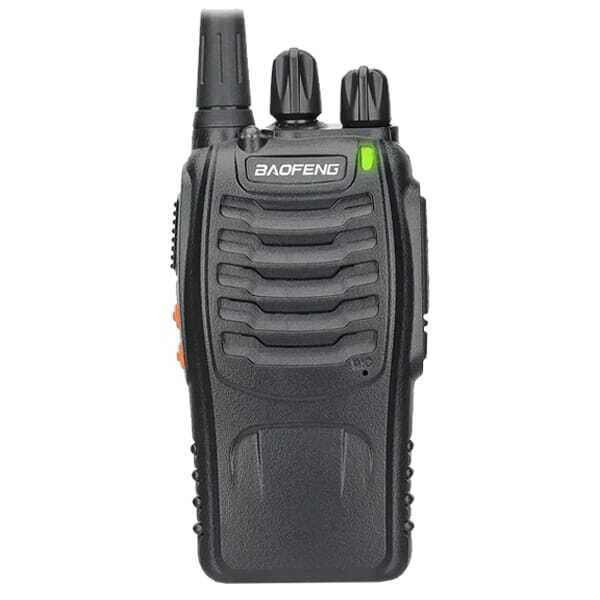
Baofeng BF-888S PMR446 Licence-Free
Ideal for cross-brand PMR446 communication. Works out of the box with other compliant radios from any manufacturer.
Shop BF-888S PMR446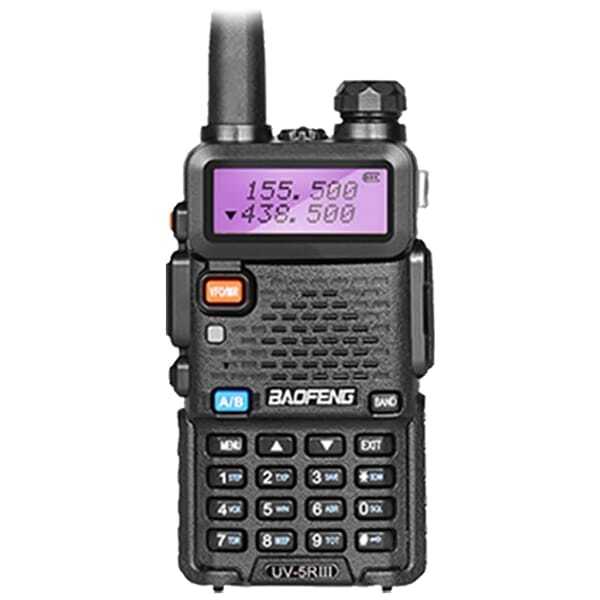
Baofeng UV-5R III Tri-Band Walkie Talkie
Tri-band programmable radio that can be configured to match compatible frequencies used by Motorola, Kenwood, and other brands.
Shop UV-5R IIIUnderstanding PMR446 Compatibility
If you're looking for the easiest way to ensure cross-brand compatibility, PMR446 radios are often the best choice.
PMR446 is the UK and European licence-free standard for short-range walkie talkies. As long as the radios comply with PMR446 requirements—including fixed antennas and a maximum transmit power of 0.5 watts—they can usually communicate with other PMR446 radios using the same channel.
PMR446 radios are commonly used by:
- Families
- Hiking and camping groups
- Schools
- Hotels and restaurants
- Retail businesses
- Event staff
If you're simply replacing a damaged radio or expanding an existing PMR446 system, choosing another compliant PMR446 model is usually the simplest solution.
💡 Tip: When buying a new radio to add to an existing set, look for the PMR446 label on the product. If both radios carry this standard, they are designed to work together regardless of brand.
What About High-Power Walkie Talkies?
Many buyers assume all walkie talkies work the same way, but that's not always the case.
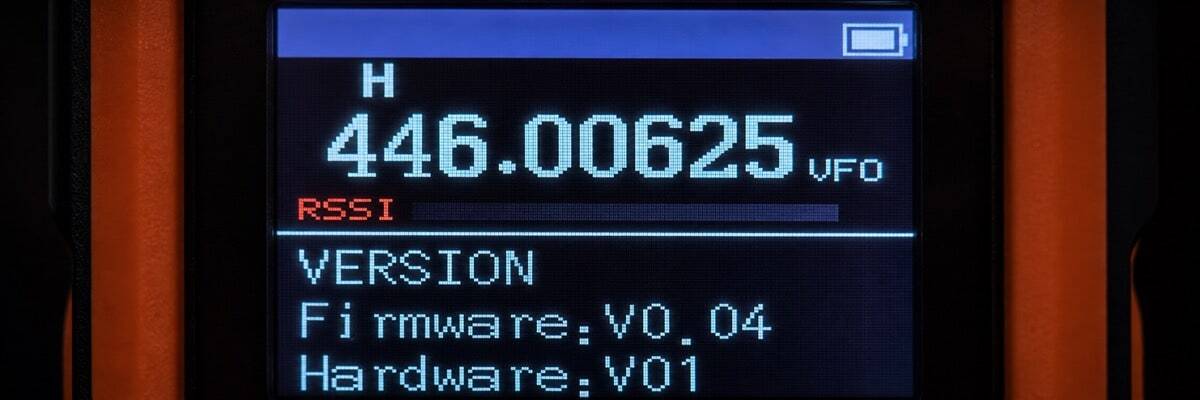
Higher-powered programmable radios, including models like the Baofeng UV-5R, provide access to a much wider range of frequencies than licence-free PMR446 radios. This makes them highly versatile and capable of communicating with many compatible radios after programming.
However, in the UK, transmitting on these radios generally requires the appropriate amateur radio licence or business radio licence, depending on how they're being used. Understanding these legal requirements before purchasing can help avoid unexpected restrictions.
⚠️ UK Licensing Reminder: Owning a programmable radio is not illegal, but transmitting on certain frequencies without the correct authorisation may be. Always verify licensing requirements for your intended use before pressing the talk button. Read our full guide: How to Get Your UK Ham Radio Licence.
Real-World Compatibility Examples
Here are some common situations where different brands of walkie talkies can—and can't—communicate.
| Situation | Will They Communicate? |
|---|---|
| Baofeng UV-5R and Motorola analog radio programmed to the same UHF frequency | ✅ Yes |
| Two PMR446 radios from different brands | ✅ Usually |
| Kenwood and Hytera analog radios using identical frequencies | ✅ Yes |
| Analog radio and digital-only radio | ❌ No |
| Radios operating on different frequency bands | ❌ No |
| Radios with different privacy code settings | ❌ Usually not |
Common Reasons Different Walkie Talkies Can't Connect
If two radios refuse to communicate, one of these issues is usually responsible.
Different Frequencies
Even a slight difference in frequency prevents communication. Both radios must be set to the exact same transmit and receive frequency.
Privacy Codes Don't Match
CTCSS and DCS privacy codes don't create secure conversations—they simply filter incoming transmissions. If the codes don't match, radios may appear silent despite using the correct frequency.
Analog and Digital Modes
An analog radio cannot communicate directly with a digital-only radio unless both support the same operating mode.
Incorrect Programming
Programmable radios require accurate channel configuration. Incorrect frequencies, offsets, or bandwidth settings are among the most common causes of compatibility problems.
Licensing Restrictions
Even if two radios are technically compatible, they must still be used within UK radio regulations. Transmitting on an unlicensed frequency can cause interference and create legal issues.
How to Make Different Walkie Talkies Work Together
If you're combining radios from different manufacturers, follow these steps:
- Confirm both radios operate within the same frequency band.
- Program identical transmit and receive frequencies.
- Match channel bandwidth settings.
- Set the same CTCSS or DCS privacy codes.
- Ensure both radios use the same communication mode.
- Verify your setup complies with UK licensing requirements.
Many businesses standardise these settings across their radio fleet, allowing staff to communicate regardless of the manufacturer.
💡 Pro Tip: Write down your agreed frequency, channel, and privacy code settings. Keeping a note makes it easy to configure any replacement or additional radios quickly, especially when expanding a mixed-brand fleet.
Choosing Compatible Walkie Talkies for Your Team
Based on the questions we commonly see from buyers, most people aren't worried about brand names—they simply want radios that work with their existing equipment.
Small businesses, schools, construction companies, hospitality teams, farms, and outdoor groups often ask:
- Will these radios work with the ones we already own?
- Do we need to replace our entire system?
- Are they licence-free?
- Will they be easy for staff to use?
In many cases, the answer is no—you don't need to replace your entire fleet. As long as the radios share compatible frequencies and settings, adding new radios from another manufacturer is often straightforward.
If you're buying new radios, consider:
- PMR446 models for simple licence-free communication.
- Programmable UHF or VHF radios for licensed operations.
- Compatible accessories such as spare batteries, antennas, earpieces, and programming cables.
Buying from a specialist retailer can also make setup much easier, particularly if you need programming support or advice on radio compatibility.
⬆️ Ready to Build a Compatible Radio Fleet?
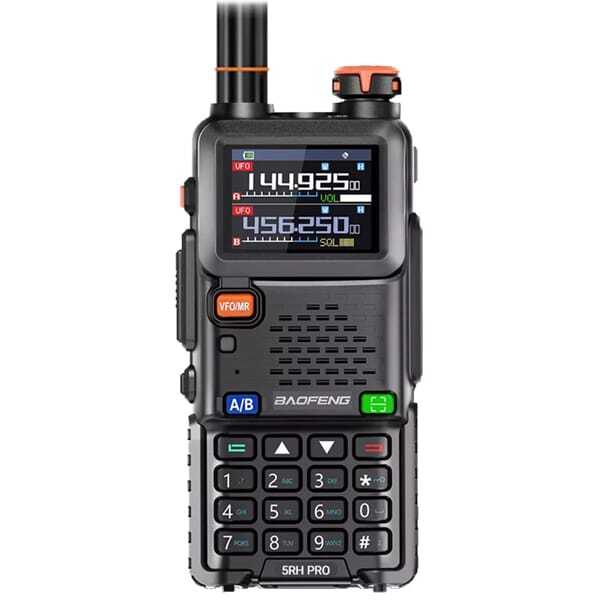
Baofeng UV-5RH PRO GPS 10W Multi-Band
10W power, built-in GPS, USB-C charging and wide frequency coverage — compatible with most analog UHF and VHF radios after programming.
Shop UV-5RH PRO GPS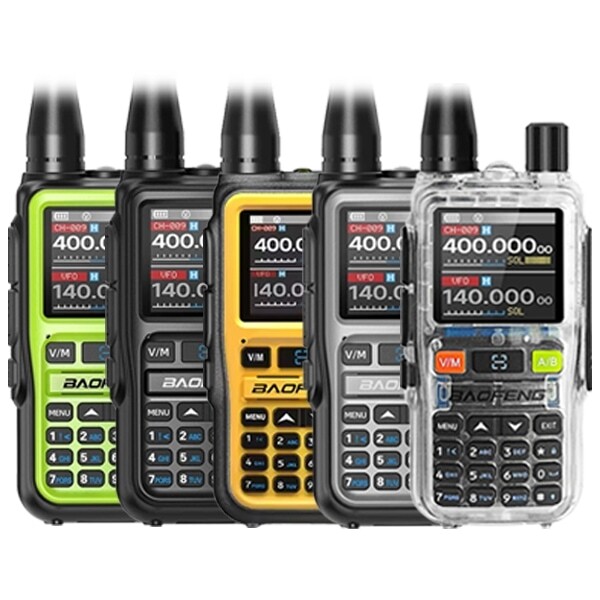
Baofeng UV-5R MINI
Ultra-compact with Bluetooth app programming — ideal for configuring to match existing radios in a mixed-brand team quickly and easily.
Shop UV-5R MINIKey Takeaways
✅ Key Takeaways: Cross-Brand Walkie Talkie Compatibility
- Different brands of walkie talkies can communicate if they're configured with compatible frequencies and settings.
- Compatibility depends on the radio's specifications—not the manufacturer.
- PMR446 radios from different brands generally work together.
- Analog and digital radios must support the same communication mode.
- Higher-powered programmable radios may require an Ofcom licence in the UK.
- Checking frequencies, channel spacing, and privacy codes often solves compatibility issues without replacing your existing radios.
Frequently Asked Questions
Can different brands of walkie talkies talk to each other?
Yes. Different brands of walkie talkies can communicate as long as both radios operate on the same frequency, use the same channel bandwidth, share matching CTCSS or DCS privacy codes, and support the same communication mode. Brand name does not determine compatibility—technical configuration does.
Will a Baofeng radio work with a Motorola or Kenwood radio?
In many cases, yes. Baofeng radios such as the UV-5R and BF-888S can communicate with compatible analog radios from Motorola, Kenwood, Hytera, and other manufacturers once both radios are programmed to the same frequency and channel settings. For the simplest cross-brand setup, PMR446-compliant models from any brand will typically work together without programming.
What is PMR446 and why does it help with cross-brand compatibility?
PMR446 is the UK and European licence-free standard for short-range walkie talkies. Any radio that complies with PMR446 requirements uses the same approved channels, making it inherently compatible with other compliant PMR446 radios from any brand. This is the easiest way to ensure cross-brand communication without programming.
Can analog and digital walkie talkies communicate with each other?
Not directly. An analog radio cannot communicate with a digital-only radio. For cross-brand communication to work, both radios must support the same operating mode. Some digital radios include an analog fallback mode, which can allow limited compatibility, but this varies by model.
Why can't my two walkie talkies from different brands communicate even on the same channel?
The most common causes are mismatched CTCSS or DCS privacy codes, different channel bandwidth settings, or incompatible analog and digital modes. Check that the frequency, privacy codes, and channel bandwidth settings are identical on both radios. In many cases, adjusting these settings resolves the issue without replacing any equipment.
Do I need a licence to use a walkie talkie with radios from another brand in the UK?
It depends on the type of radio being used. PMR446-compliant radios are designed for licence-free use in the UK. However, if you are using programmable UHF or VHF radios on frequencies outside the PMR446 allocation, an Ofcom amateur radio licence or business radio licence may be required before transmitting.
What is the easiest way to ensure my new radios are compatible with existing ones?
If your existing radios are PMR446, simply purchase another PMR446-compliant model. If your existing radios are programmable UHF or VHF radios, note the frequency, channel bandwidth, and privacy codes currently in use, and program the new radios to match these settings. Buying from a specialist supplier with programming support can make this process much easier.
Final Thoughts
Choosing compatible walkie talkies doesn't have to be complicated. While different brands can often communicate with one another, success depends on matching frequencies, programming, and operating modes rather than the logo printed on the radio.
If you're unsure whether a new radio will work with your existing equipment, checking the technical specifications before purchasing can save both time and money. Whether you're looking for licence-free PMR446 radios for everyday communication or programmable Baofeng models for licensed operations, choosing compatible equipment from a specialist supplier will help ensure reliable communication from day one.
Find the Right Walkie Talkie for Your Team
From simple licence-free PMR446 radios to advanced GPS multi-band models, Baofeng UK has a radio for every team size, use case, and budget.
Shop All Walkie Talkies