2nd Apr 2026
Community Security: The Best Licence-Free Radios for Neighbourhood Watch
Tested and Written by The Baofeng UK Radio Experts | Community Security Guide | Read time: 6 mins
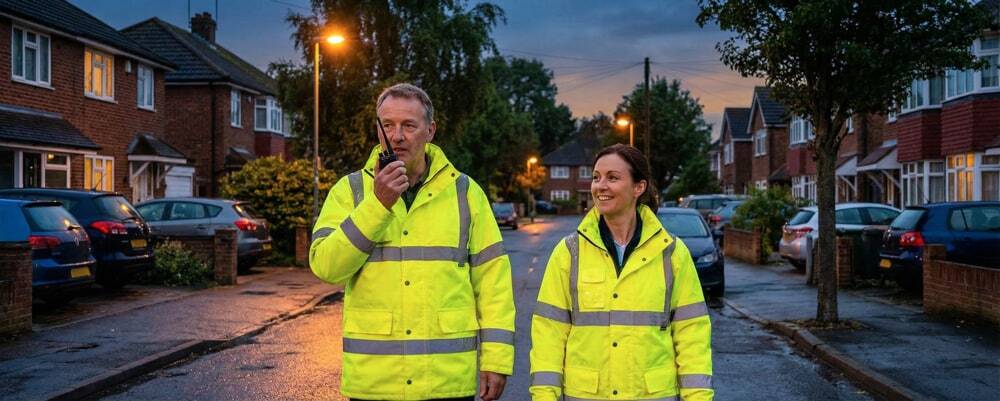
Choosing the right radios for neighbourhood watch can make local communication simpler, faster and more reliable, especially when a group needs an easy way to stay in touch during meetings, patrols, events or community checks. For many UK groups, the best starting point is not a complicated radio system, but a straightforward licence-free handheld set that is easy for volunteers to use.
That matters because Neighbourhood Watch is a volunteer-led community network, not a professional security company. The national Neighbourhood Watch network describes itself as the largest volunteer-led crime prevention charity in England and Wales, with schemes run by volunteers in local communities.
Key Takeaways: Radios for Local Groups
- Licence-Free is Best: PMR446 radios are the most practical, legal, and cost-effective choice for UK neighbourhood watch groups.
- Keep it Simple: Volunteers need easy-to-use handsets with clear audio, not complex technical menus.
- Avoid US Imports: American FRS radios are illegal to use in the UK and can cause harmful interference. Always buy UK-compliant models.
Why Neighbourhood Watch Groups Use Radios
For most local groups, radios are not about replacing telephones or emergency services. They are about making everyday communication easier within a small area.
They can be helpful for:
- keeping coordinators and volunteers in contact during meetings or events
- passing simple updates between nearby streets or entrances
- helping marshals or organisers stay in touch during community activities
- reducing the need for repeated phone calls within a small group
For this kind of use, the priority is usually simplicity, not specialist features.
Why Licence-Free Radios are Usually the Best Fit
For neighbourhood watch and similar community groups, licence-free PMR446 radios are usually the most practical choice in the UK. Ofcom says PMR446 equipment is a mobile, short-range, simplex, peer-to-peer voice and data communication system and is suitable for short distances.
That makes them a good fit for:
- resident associations
- volunteer coordinators
- event stewards
- local watch groups covering a compact area
They are generally easier to adopt because there is less complexity than with licensed business radio systems.
What "Licence-Free" Really Means
Licence-free does not mean every walkie talkie can be used however you like. In the UK, Ofcom's PMR446 guidance makes clear that licence exemption only applies when the radios meet the relevant conditions. The guidance also notes that American FRS radios are not licence-exempt in the UK and are likely to cause harmful interference.
That means a neighbourhood watch group should avoid buying imported FRS-only radios marketed for the US, modifying radios to increase output, or assuming all generic handhelds are automatically licence-free. For most community users, the safest route is a compliant PMR446 handheld bought specifically for UK use.
What Matters Most When Choosing Radios for Neighbourhood Watch
Ease of use
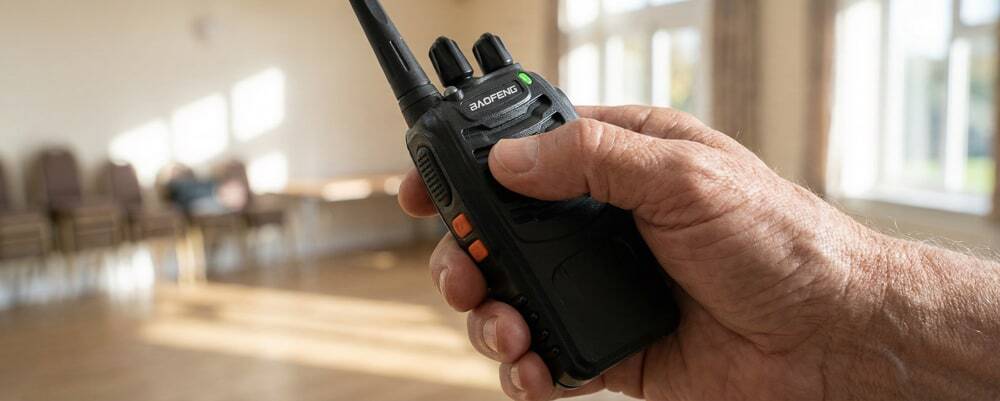
Neighbourhood watch groups often include a mix of ages and technical confidence levels. A radio with too many menu options can become frustrating quickly. Clear buttons, good audio and a simple channel layout are usually more important than advanced programming features.
A good community radio should be easy to switch on and use, clear enough to hear outdoors, simple to hand over to another volunteer, and easy to charge between uses.
Realistic range
Short-range communication is exactly what PMR446 is designed for. Ofcom describes PMR446 as a short-range service, so it is best suited to nearby streets, entrances, parks, halls, car parks and small event areas rather than large rural coverage or town-wide communication.
Real-world performance depends on houses and brick walls, parked vehicles, trees, and whether users are indoors or outdoors. For most neighbourhood watch use, a dependable short-range signal is more useful than exaggerated long-range claims on packaging.
Battery life, Comfort, and Clarity
Community groups do not usually need radios running every day for industrial shifts, but they do benefit from handsets that can comfortably last through evening meetings or a few hours of organised activity. A bulky handset can feel excessive for resident volunteers. Smaller, lighter licence-free radios are usually easier to carry on foot. Finally, clarity matters more than raw power. Volunteers need to hear brief instructions clearly outdoors near traffic or wind.
Who Licence-Free Neighbourhood Watch Radios are Best For
- Small local schemes: A compact PMR446 radio set is often ideal for groups covering one estate or a few streets.
- Volunteer coordinators: Simple handheld radios can be quicker than repeated phone calls during local activities.
- Community events: Radios help marshals stay connected over short distances without needing a formal licensed system.
- Groups wanting low cost: Because neighbourhood watch is volunteer-led, practical, easy-to-share equipment is a better fit than expensive specialist systems.
Common Mistakes to Avoid
Buying the wrong radio standard: Ofcom's guidance specifically warns that American FRS equipment cannot be used in the UK on a licence-exempt basis.
Expecting town-wide coverage: If a group expects one PMR446 handheld set to cover a wide district, they are likely to be disappointed.
Choosing a radio that is too complicated: For volunteer groups, a very technical radio often causes more problems than it solves.
Confusing neighbourhood watch with professional security: Neighbourhood watch groups are community volunteers. The equipment should match that reality: practical, lawful, and easy to use, rather than overly tactical or overpowered.
Where BAOFENG Fits
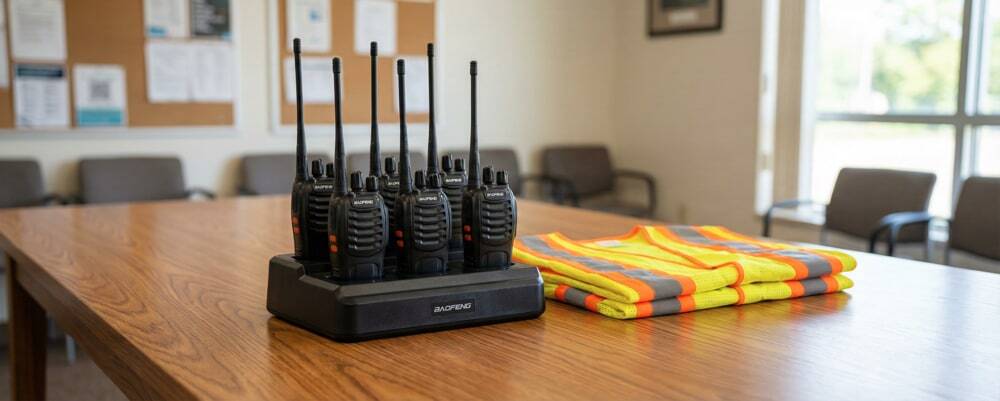
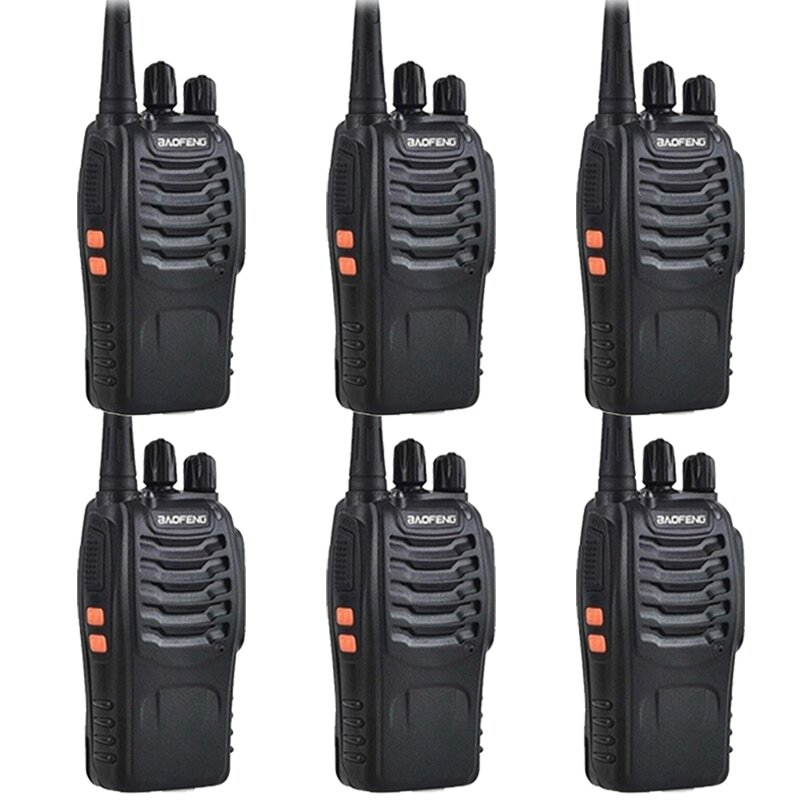
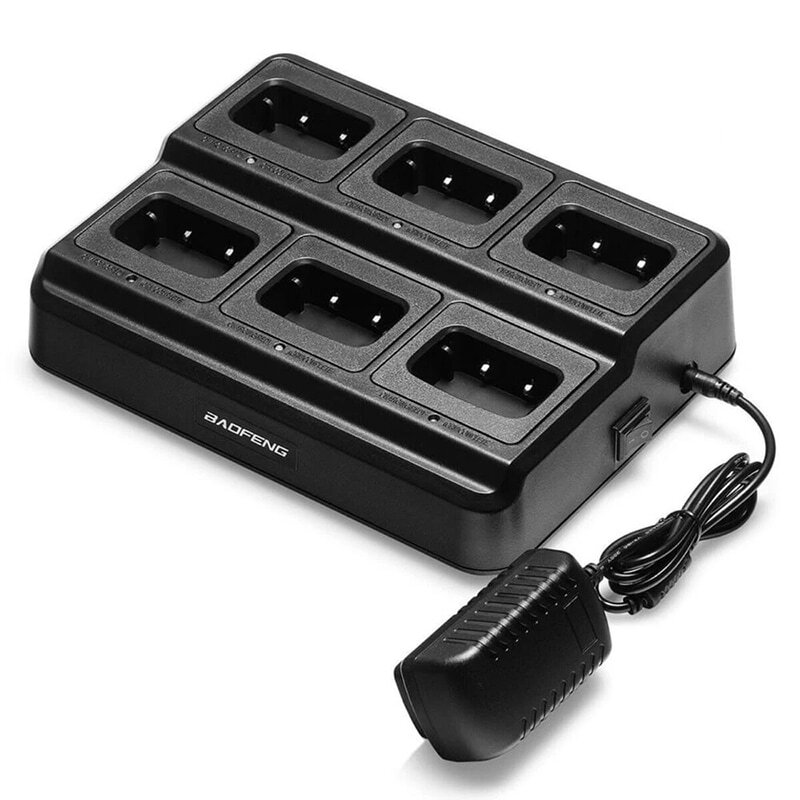
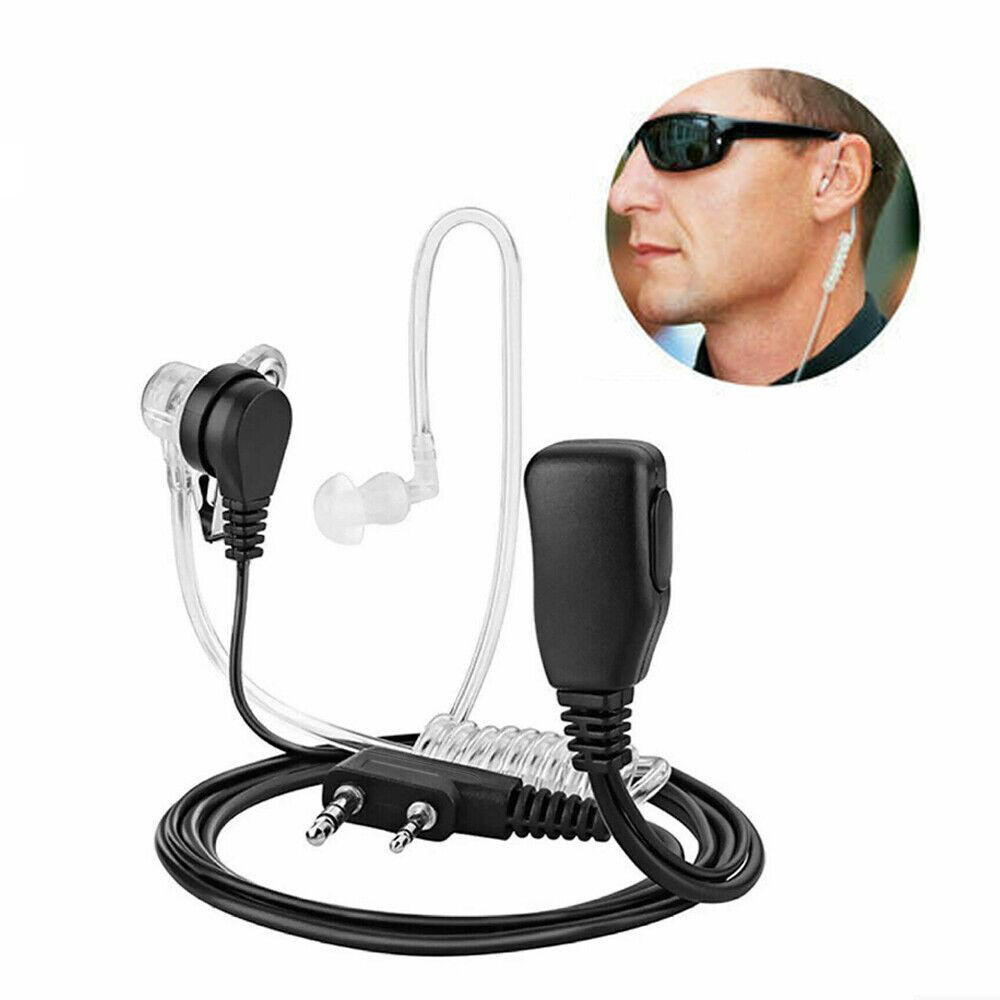
For budget-conscious buyers, BAOFENG can be relevant where the goal is affordable, practical communication equipment rather than premium pricing. The most important thing is choosing a model that is genuinely suitable for lawful UK use and easy for a neighbourhood group to operate.
A Simple Way to Choose
- How small or large is the actual area you need to cover?
- Will most users be indoors, outdoors or a mix?
- Do volunteers need something very simple?
- Will the radios be shared between different people?
- Do you need compact handsets for occasional use, or more durable units for regular events?
In most cases, the best answer will be a straightforward UK PMR446 handheld rather than a more complex radio platform.
Final Thoughts
The best radios for neighbourhood watch are usually the ones that make local communication easy without adding technical hassle. For most UK groups, that means licence-free PMR446 radios that are simple, compact and reliable over short distances.
The aim is not to build a professional security network. It is to help volunteers stay connected in a practical, lawful and low-stress way while supporting local community safety.
Frequently Asked Questions (FAQs)
Are radios legal for neighbourhood watch in the UK?
Yes, licence-free PMR446 radios can be legal to use in the UK when the equipment and operation meet Ofcom's exemption conditions.
What are the best radios for neighbourhood watch?
For most groups, the best option is a simple licence-free PMR446 handheld that is easy to use, has clear audio and offers dependable short-range communication.
Do neighbourhood watch groups need a radio licence?
Usually not if they are using compliant PMR446 licence-free radios within the UK rules. Other types of transmitting radio equipment may require a licence depending on the equipment and use.
How far do neighbourhood watch walkie talkies work?
There is no single fixed answer. PMR446 radios are designed for short-range use, and real-world range depends on buildings, streets, vehicles, trees and local layout.
Can I use American FRS radios for neighbourhood watch in the UK?
No. Ofcom's guidance says American FRS equipment cannot be used within the UK on a licence-exempt basis.
Are walkie talkies better than phones for neighbourhood watch?
They can be better for quick local coordination within a small group, while phones are still better for longer conversations and contacting people outside the group.