
7th Feb 2026
Walkie Talkie for Motorcycle: A Practical Communication Solution for Riders
Clear communication is a key part of safe and enjoyable motorcycling. Whether you are a solo rider or regularly join group rides, having a reliable walkie talkie for motorcycle use can significantly improve how riders communicate on the road. Compared with phones or complex entertainment-focused systems, a walkie talkie offers a simple and dependable method of staying connected while riding.
Why Motorcycle Riders Need Dedicated Communication
Motorcycle riders face constant challenges from the outside world. Wind, traffic, engine vibration, and environmental noise can make it difficult to hear or understand spoken messages. During group riding, these challenges increase as range grows and riders spread out.
Using phones for calls or messaging can be unsafe and distracting, especially when riders need to focus on speed, balance, and road conditions. A dedicated communication system designed for motorcycles helps riders stay focused while still being able to talk, listen, and respond when needed.
What Is a Walkie Talkie for Motorcycle Use?
A motorcycle walkie talkie is a radio-based unit that allows riders to communicate directly with one another. Unlike phone-based solutions, it does not rely on mobile networks, apps, or data coverage. Instead, it uses radio signals to maintain a stable connection between riders.
This type of device is often combined with a helmet-mounted headset, speakers, and microphone, allowing communication without removing hands from the bike.
Walkie Talkie vs Intercom Systems
Many riders are familiar with modern intercom systems that use bluetooth, wifi, or mesh technology. These systems often focus on music, phone integration, and smart app control.
A walkie talkie system takes a different approach. It prioritizes communication, range, and reliability over entertainment features. For riders who value clear communication over long distances, radio-based systems can offer more predictable performance, especially in areas with poor mobile signal.
Helmet Integration and Riding Comfort
Motorcycle communication equipment must fit inside a helmet comfortably. Most walkie talkie setups are designed so the headset, ear speakers, and mic can be installed without affecting comfort or safety.
Once installed, riders can wear their helmet normally and use push controls to talk or switch between listening modes. This allows riders to keep their hands on the bike and their attention on the road.
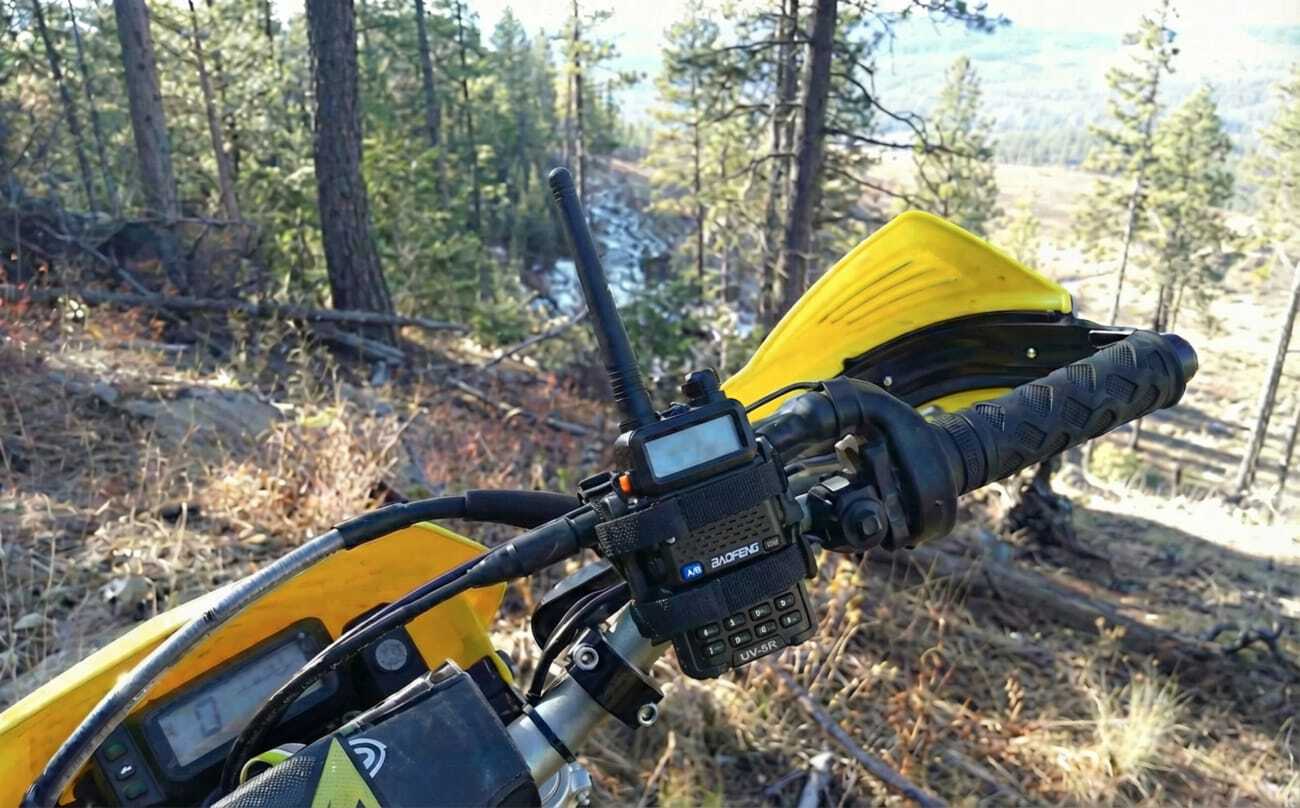
Managing Wind Noise and Sound Quality
One of the biggest issues during motorcycle riding is wind noise. At higher speeds, sound distortion can reduce voice clarity and make communication frustrating.
A good walkie talkie setup focuses on quality sound, using noise reduction techniques and proper speaker placement. When configured correctly, riders can still hear messages clearly, even in challenging riding conditions.
Group Rides and Communication Range
For group rides, walkie talkies offer clear advantages. All riders tuned to the same radio channel can communicate together, making it easier to coordinate speed, lane changes, rest stops, or route adjustments.
The extended range of radio communication helps riders stay connected even when the group stretches out, something that many bluetooth-only systems struggle with. This makes walkie talkies especially useful for touring, rural routes, and long-distance rides.
Battery Life and Practical Use
Motorcycle communication devices must be reliable over long periods. A walkie talkie unit typically features strong battery performance, allowing riders to communicate throughout a full day of riding without frequent recharging.
Because the system is designed for outdoor and vehicle use, it is generally more protected against vibration and weather compared to standard consumer electronics.
Safety and Focus on the Road
Reducing distraction is critical for motorcycle safety. A walkie talkie system allows riders to communicate without interacting with touch screens or managing complex menus.
By keeping communication simple and controlled, riders can maintain better focus, respond faster to situations, and enjoy a safer ride overall.
Is a Walkie Talkie Right for You?
A walkie talkie for motorcycle use is well suited for:
- Riders who frequently ride in groups
- Long-distance or rural riding where phone signal is unreliable
- Riders who prioritize communication over entertainment
- Motorcyclists who want a simple, reliable system without ongoing costs
It is also a good backup solution for riders who already use other systems but want a dependable radio option.
Top Radios for Motorcycle Use
UV-98 PRO IP68
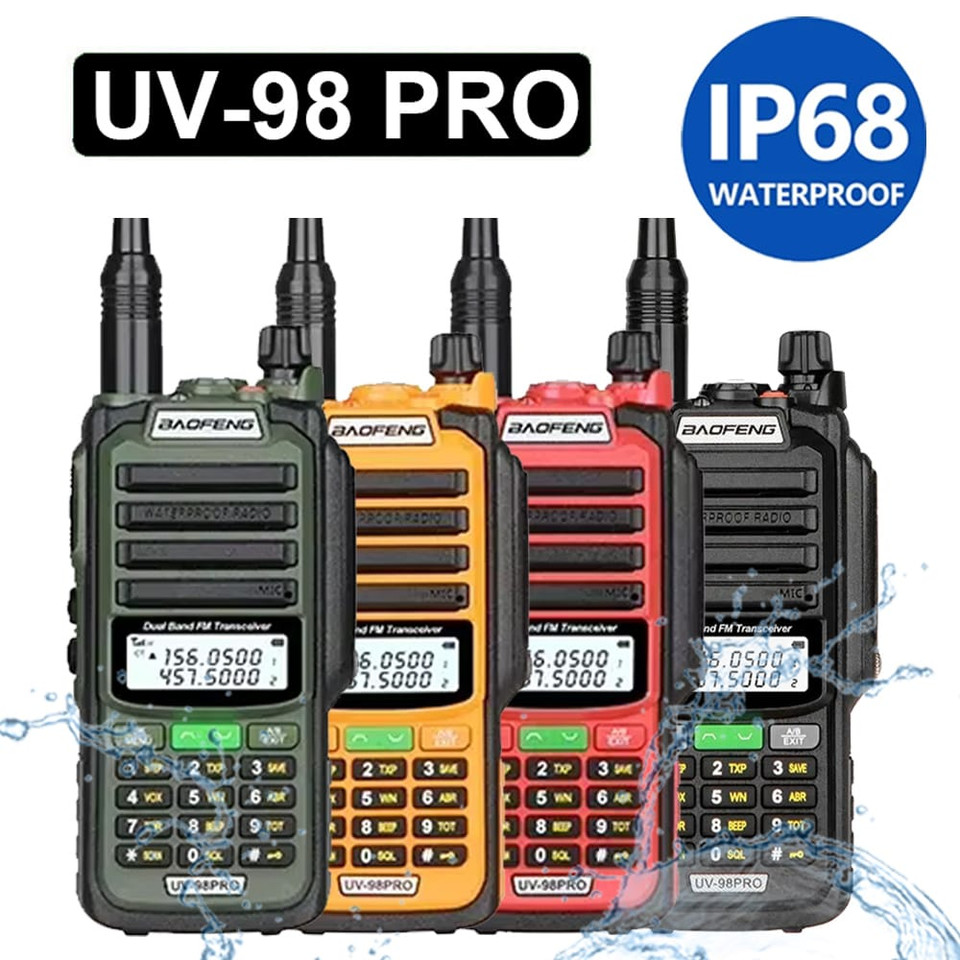
Best For: All-Weather Riding
If you get caught in the rain, standard radios fail. The UV-98 PRO is IP68 waterproof, making it the safest choice for mounting on a bike or external carry.
Key Feature: 100% Waterproof & Dustproof
UV-5RH Pro
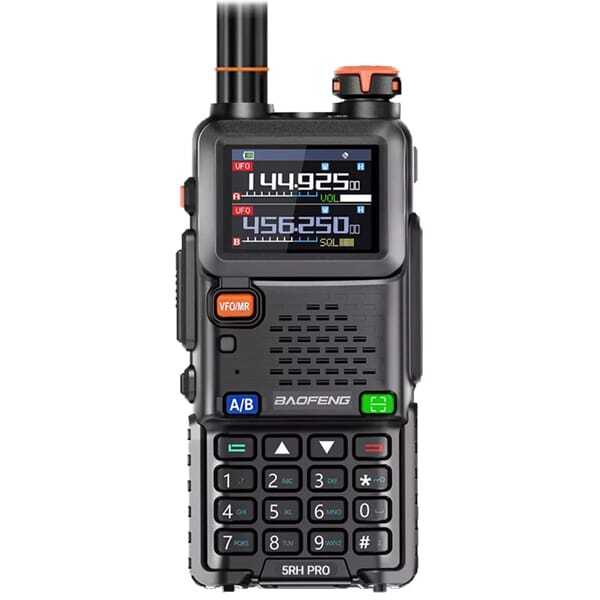
Best For: Long Distance Groups
When the group spreads out on the highway, you need power. The UV-5RH Pro offers high wattage output to keep everyone connected over longer distances.
Key Feature: High Power & Large Battery
UV-5R Mini
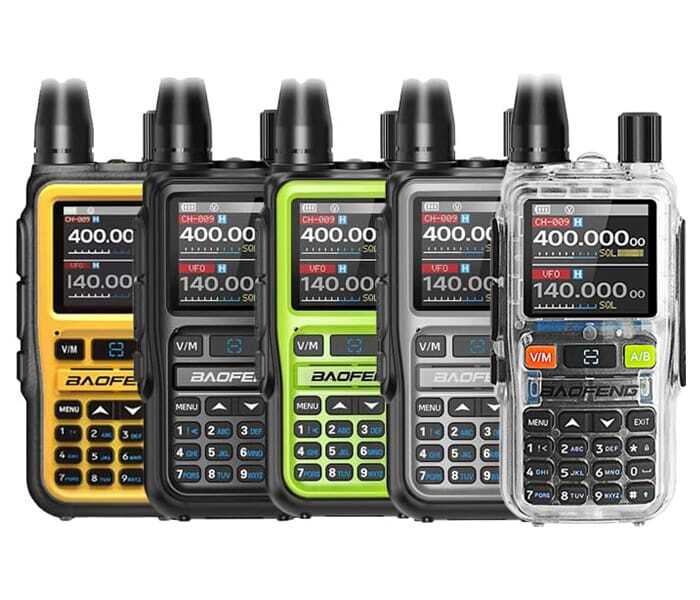
Best For: Jacket Pockets
Space is limited on a bike. The UV-5R Mini is ultra-compact and fits easily into a breast pocket, perfect for connecting to a wired helmet kit.
Key Feature: Ultra-Compact Size
BF-888S PMR446

Best For: Rider-to-Pillion
Simple, effective, and licence-free. Ideal for keeping a line open between rider and passenger without complex pairing issues.
Key Feature: Simple Operation (Twin Pack)
Radio vs. Bluetooth Intercom Comparison
Understanding the difference between a dedicated walkie talkie and a standard Bluetooth helmet intercom.
| Feature | Walkie Talkie (Radio) | Bluetooth Intercom (Mesh) |
|---|---|---|
| Range | High (Miles/Kilometres) | Low (Line-of-Sight, Meters) |
| Group Size | Unlimited riders on channel | Limited by pairing slots |
| Reliability | High (RF Signal) | Variable (Can disconnect) |
| Obstacles | Good penetration (VHF/UHF) | Blocked by hills/corners |
Frequently Asked Questions
How do I use a walkie talkie on a motorcycle?
The most common method is using a "Throat Mic" or a helmet kit that plugs into the radio (Kenwood 2-pin connector is standard for Baofeng). This allows you to route the cable into your helmet for speakers and a microphone, using a PTT (Push-to-Talk) button on your handlebars.
Can walkie talkies connect to my Bluetooth helmet?
Some advanced walkie talkies have Bluetooth built-in, but typically, you need a "Bluetooth Adapter" or "Dongle" plugged into the radio to pair it wirelessly with a Cardo or Sena headset.
Is it legal to use a radio while riding?
Yes, provided you are not holding the device. Using a hands-free kit or handlebar-mounted PTT button allows you to communicate legally, similar to using a car's hands-free system.
Final Review
A walkie talkie for motorcycle use remains a practical and effective communication solution for modern riders. By focusing on direct radio communication, long range, and reduced distraction, it supports safer and more enjoyable riding experiences.
Whether riding with friends, managing a large group, or traveling through remote areas, a well-set-up walkie talkie system helps riders stay connected when it matters most.